Grief has a way of slowing everything down, making even simple decisions feel heavy—especially when it’s time to sort through a loved one’s belongings. The task can feel overwhelming, and the urge to rush through it is completely understandable. Yet moving slowly, allowing yourself to pause and breathe, creates room for clarity and reflection. Often, items that seem ordinary at first glance reveal deeper meaning when given time. Approaching the process gently helps you recognize the pieces of their life that may one day bring comfort, grounding, and a continued sense of closeness.
Handwritten notes and personal letters are often among the most powerful keepsakes. A recipe written in their handwriting, a birthday card they once signed, or the margins of a book filled with their scribbled thoughts can make their presence feel remarkably near. These small details carry a person’s voice in a way nothing else can. Photographs and audio recordings hold similar emotional weight. Even imperfect snapshots capture moments—holiday dinners, quiet afternoons, spontaneous laughter—that cannot be recreated. Over time, these images and sounds become cherished family history.
Jewelry, watches, and everyday accessories can also be deeply meaningful. A necklace they wore often, a well-fitted hat, or a familiar wallet can hold stories of routine, personality, and presence. These items offer simple, tangible reminders of the life they lived. On a more practical level, it’s important to protect essential documents such as wills, deeds, medical records, and certificates. These materials are necessary for managing responsibilities, resolving accounts, and preserving accurate family information. Keeping them organized ensures you remain supported through the administrative side of loss.
In the end, going through a loved one’s belongings is far more than organizing a space—it’s revisiting chapters of a shared life. What you choose to keep doesn’t need to be expensive or grand; the value lies in the connection it carries. The items you hold onto can offer reassurance during difficult days and remind you of the love, guidance, and moments that shaped your relationship. By taking your time, choosing intentionally, and honoring your own emotional pace, you create a bridge between memory and healing—allowing their presence to remain close as you continue forward.

Related Posts
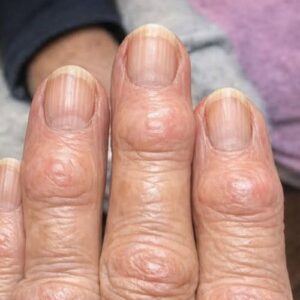
My grandma has these hard bumps forming on her finger joints near the nails. Why is this spreading?
As people age, the body naturally changes, and some of these changes can feel unexpected or even concerning. One common issue is the appearance of hard bumps…

Mother puts both daughters inside the fir… See more.
The peaceful, sunlit parks of Cedar Falls were meant to be a safe and relaxing place for Emma and her two young daughters. That Tuesday afternoon felt…

Car Damage Truth…
When I saw the scratch across my brand-new car, my heart sank. It wasn’t small. It wasn’t something I could ignore. And when I found out my…

The Hidden Hero of Your Seat Belt: What Is That Little Round Button — And Why It’s Essential
You click your seat belt every day without a second thought. One motion, a quick pull, and you’re ready to drive, trusting a system designed to protect…
20 Minutes ago in Arizona, Savannah Guthrie was confirmed as…
What unfolded in Arizona was not a health scare, scandal, or sudden departure, but a pivotal professional step that redefines Savannah Guthrie’s role in an industry she’s…

Remembering Jane Lapotaire: A Life of Strength, Craft, and Lasting Impact
Jane Lapotaire built a reputation as an actress who could bring depth and authenticity to every role she touched. Audiences and critics alike valued her ability to…