Cremation is the process of incineration of the body of a deceased person at very high temperatures, with only a relatively small amount of “ash” left at the end, for the family to either keep, bury or scatter. The truth is that cremation remains taboo in many cultures and religions, but despite that, it has gained popularity over conventional funerals in recent years.
There are many misconceptions surrounding the process of cremation, which leads people to feel scared of it — but that fear simply comes from the unknown.
Lauren, a former funeral home worker who goes by @lovee.miss.lauren on TikTok, decided to walk her followers — over 2.5 million — through the process of cremation and bust a few common myths.
According to her, the most common question she gets is, “How can I be certain that the ashes I receive truly belong to my loved one?”
Lauren walks families through the process, explaining that when a body arrives at the crematory, it is tagged with a metal ID plate carrying a unique number. That plate stays with the body throughout cremation. Afterward, the ashes are sealed in a bag with the proper identification, and the family is given a cremation certificate listing the person’s name and registration number.
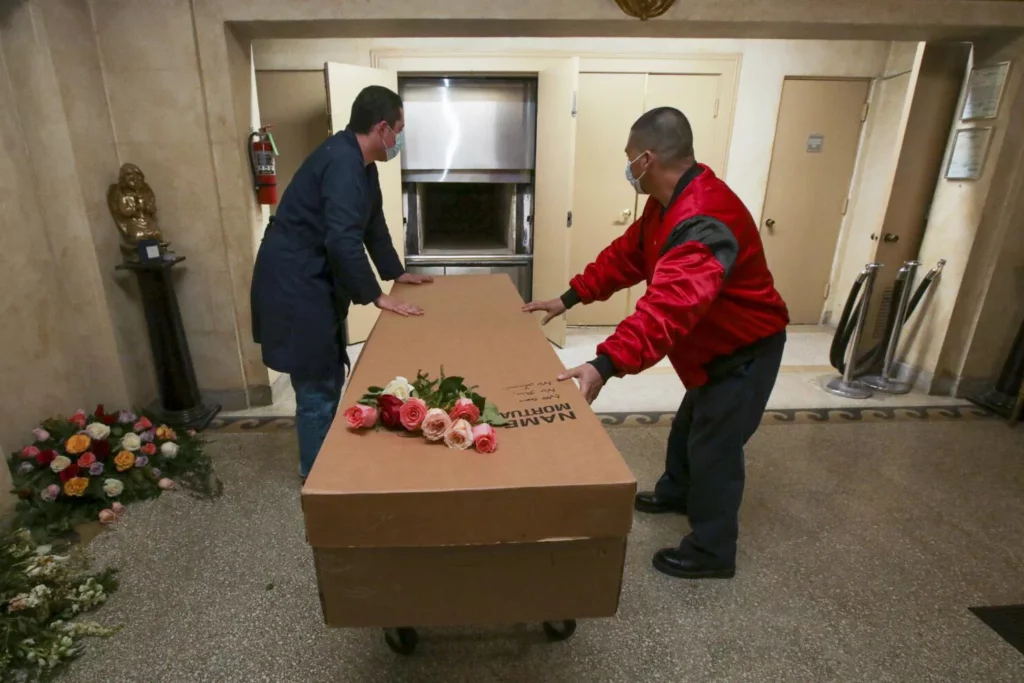
Some of the questions people ask may sound unusual, but they address real concerns. For instance, one person asked if a tampon is removed when a woman passes away during her menstrual cycle. Lauren explains that, in most cases, an autopsy is performed before cremation, and items like tampons are removed—especially if embalming is part of the process. All of this is done following strict protocols and only with the family’s consent, ensuring the body is treated with dignity and respect.
Louise Singer, manager of Bramcote Bereavement Services in the UK, explained that before cremation, coffins are inspected for items that cannot be burned, such as metal objects. She stressed the importance of checking for pacemakers, as they can explode in the heat and even shift a massive cremation chamber.
Well, not only does the process of cremation itself raise questions for those who decide to have their loved ones cremated, but also the question of what happens to the soul afterward. This especially bothers those who are religious and believe in the afterlife and in the concept of the soul living forever.
Different religions, traditions, and beliefs offer different answers to this question.
Though the mechanics of cremation are clear, what happens to the soul is still shrouded in mystery.
1. Hinduism and Buddhism: A Path to Liberation
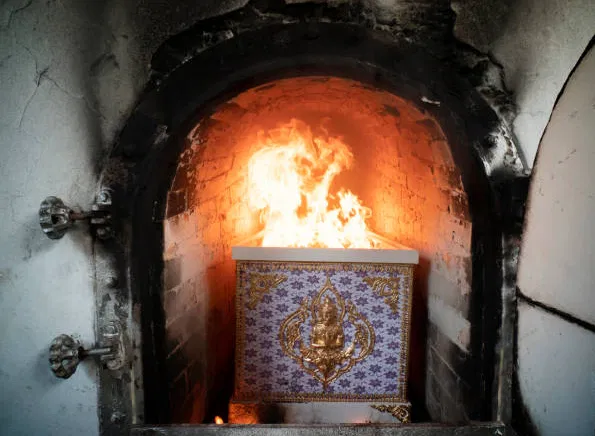
In Hinduism, the cremation is the preferred process when a person dies. It is believed that the soul (atman) is eternal and simply leaves the body at the time of death. The act of cremation helps the soul detach from its physical form and move on to its next life through the cycle of reincarnation (samsara).
In Hindu belief, fire is considered a sacred purifier that releases the soul from the body.
In Buddhism, just like in Hinduism, cremation is commonly practiced, with the difference that Buddhism does not hold to the idea of a permanent soul. This religion teaches that consciousness continues in a cycle of rebirth. According to those who practice Buddhism, cremation isn’t only a ritual but a gesture of acceptance, honoring impermanence while opening the path to what comes next.
2. Christianity: Faith in the Afterlife
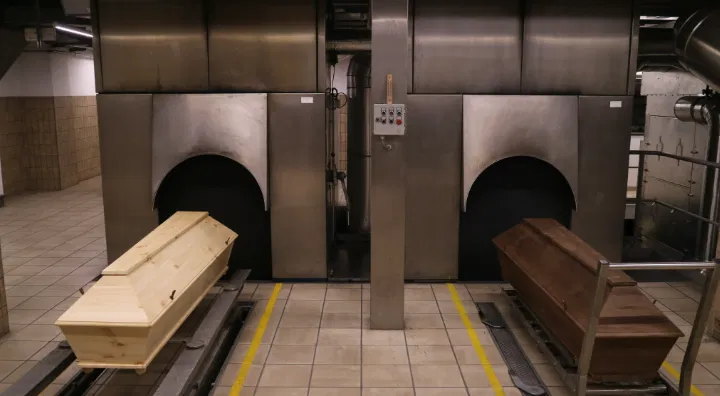
Over the centuries, Christian views on cremation have changed. For Christians, especially Catholics, burial was historically favored because of the belief in bodily resurrection. Today, most Christian denominations accept cremation, provided it doesn’t reject the belief in resurrection.
Christians believe that the soul is judged by God and moves to heaven, hell, or a waiting state like purgatory after a person dies. The body’s treatment—whether burial or cremation—does not affect the journey of the soul, but faith and one’s relationship with God are what truly matter in determining the soul’s path after death.
3. Islam: Preservation of Dignity
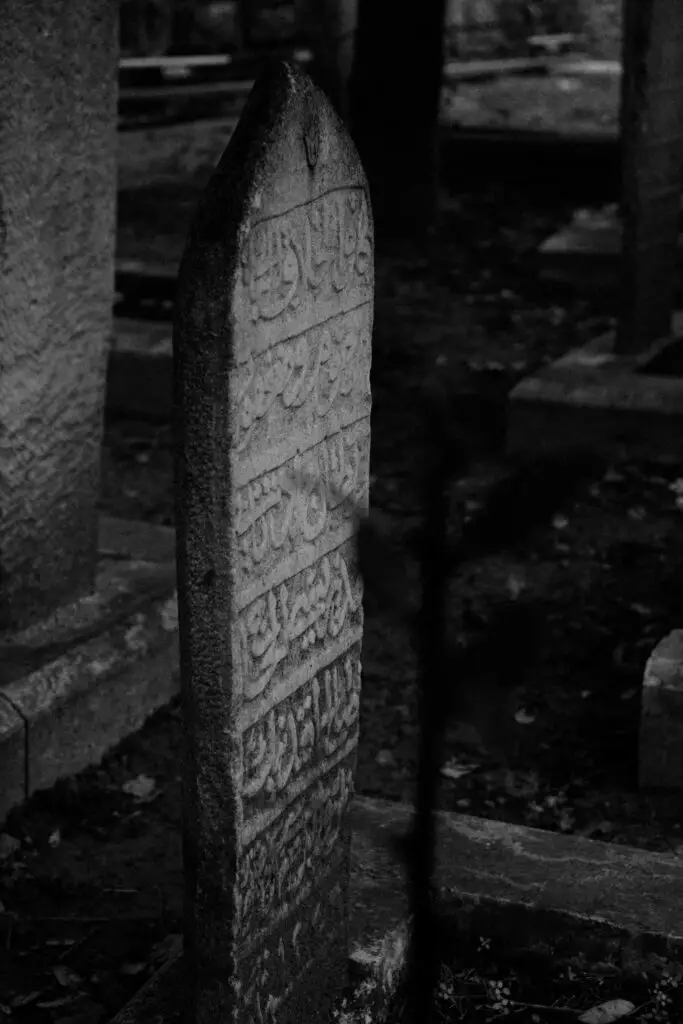
In Islam, cremation is strictly prohibited. Muslim tradition calls for the body to be buried as soon as possible following death, in a manner that is both simple and respectful.
Muslims believe the soul leaves the body at the moment of death, but remains linked to it until the Day of Judgment. This prohibition emphasizes the dignity owed to the human body, with burial serving as an expression of respect and obedience to God’s commands.
4. Secular and Spiritual Views
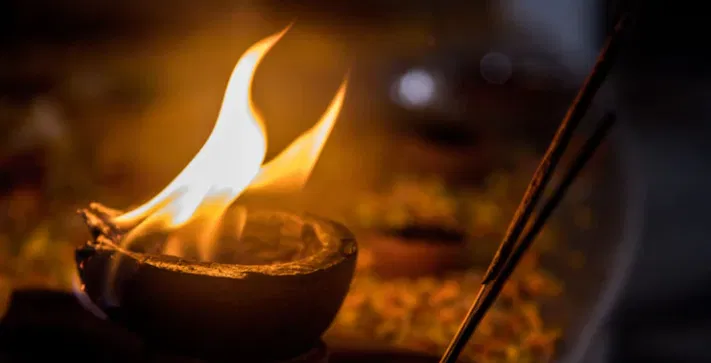
In today’s world, there are plenty of people who consider themselves spiritual but not religious, or they simply adopt a more secular perspective.
Cremation, in these contexts, is often viewed as a natural return of the body to the earth. Some hold that the soul journeys to another plane, becomes one with the universe, or lives on through the memories and impact left behind.
Others, particularly scientists and humanists, view consciousness as ending at death, making cremation a personal or ecological choice rather than a spiritual concern.
Please SHARE this article with your family and friends on Facebook.
Bored Daddy
Love and Peace

Related Posts
20 MINUTES AGO in Arizona, Savannah Guthrie was CONFIRMED as…
What was actually confirmed in Arizona was measured and professional: a development in Savannah Guthrie’s career, not a crisis in her life. Yet the speed and intensity…
Matt Clark: A Steady Presence Who Helped Shape Generations of Storytelling
The film and television world is taking a moment to reflect on the life and work of Matt Clark, a respected character actor whose quiet consistency left a…

Israel Operation News: How to Read Fast-Moving Events With Caution and Clarity
When reports emerge that a major operation has taken place “just minutes ago,” the most important first step is to recognize how incomplete the early picture usually…

‘Matcha mouth’ explained as dentist issues ‘worrying’ warning over popular drink
An urgent warning has been issued following a multistate outbreak of E. coli infections linked to raw cheddar cheese produced by Raw Farm in California. The situation…

Chappell Roan breaks silence following backlash after Jude Law’s daughter allegedly left ‘in tears’
Pop star Chappell Roan recently responded to online criticism following an incident at a hotel in São Paulo. The situation involved the family of Jorginho, whose stepdaughter,…

The Reason Donald Trump Never Served in the Military
Donald Trump recently shared a teenage photo from his time at the New York Military Academy, standing beside his parents, Fred and Mary Trump. The post reflected…