For many people, peanuts are far more than a simple snack—they carry memories, traditions, and flavors that connect generations. In countries like Brazil, they hold a special place at festivals and family gatherings, appearing in beloved treats such as paçoca and pé-de-moleque. These foods highlight how peanuts weave together culture and comfort. Beyond their nostalgic appeal, peanuts also draw interest for their nutrient profile. They contain compounds that can support general wellness when eaten in reasonable amounts, and many people appreciate the balance they offer between taste and practicality. Still, like any food, they are not suitable for everyone, making basic awareness important.
Botanically, peanuts are legumes, yet nutritionally they resemble tree nuts, providing plant-based protein, healthy fats, and a variety of vitamins and minerals. They naturally contain vitamin E, B vitamins, calcium, phosphorus, and iron—nutrients that contribute to everyday bodily functions. Peanuts also offer antioxidants and other plant compounds that researchers continue to study for their potential roles in supporting heart health or satiety. While scientific exploration is ongoing, most people value peanuts simply for the flavor and richness they add to meals, desserts, and snacks.
Their mix of protein, fat, and fiber often makes peanuts a satisfying choice that can help support steady energy levels when paired with other foods. Some studies suggest that peanuts may slow the digestion of carbohydrates, though individual responses vary. Research has also examined possible links between peanut consumption and certain health outcomes, including aspects of digestion or gallstone risk, but these findings are observational and not conclusive. As with any nutritious ingredient, peanuts work best as part of a varied, balanced eating pattern rather than a singular solution to specific health concerns.
Because peanuts are energy-dense, moderation is generally recommended for those paying attention to portion sizes. Individuals with allergies must avoid them completely, and people with certain medical conditions or sensitivities may benefit from consulting a health professional before including them regularly in their diet. Choosing fresh, well-stored peanuts is also important, as improper storage can affect quality. When enjoyed thoughtfully, peanuts remain a versatile, flavorful ingredient—one that bridges tradition and modern eating habits while offering a satisfying addition to both sweet and savory dishes.

Related Posts
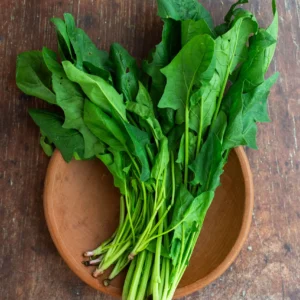
10 Powerful Benefits of Spinach You Need to Know
Spinach is one of the most nutritious leafy greens you can add to your diet. It is low in calories, easy to prepare, and packed with vitamins,…
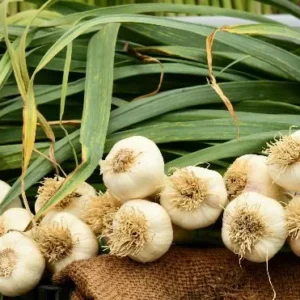
One Clove of Garlic a Day May Help More Than You Think
Garlic has been used for centuries in kitchens and traditional wellness practices around the world. While many people know it for its strong flavor and aroma, garlic…

Steve Perry’s Lasting Power Goes Far Beyond the Spotlight
Steve Perry’s legacy is about much more than an extraordinary voice. As the lead singer of Journey, he brought a rare emotional openness to arena rock, giving…

How Nostalgia Turns a Restaurant Into a Story
You do not walk into that dining room as much as enter a mood that has been carefully designed to feel familiar. The worn floorboards, the candy…

The Photograph That Changed What the Town Remembered
Later, people would say Maria’s smile seemed gentle at first glance—almost reassuring—if you didn’t study it too closely. But the enhanced image told a different story. Her…

Why This Wheel of Fortune Episode Felt So Different
What played out on this episode of Wheel of Fortune felt refreshingly unlike the show’s usual rhythm. Instead of the familiar dynamic of polite introductions and quick exchanges between…