A suspected hantavirus exposure linked to the expedition cruise ship MV Hondius has prompted international monitoring after passengers were evacuated from Tenerife under strict health precautions.
Authorities organized military and government-chartered flights to return travelers home, involving passengers from more than 20 countries. Protective images of crew in respirators caused concern online, though officials say this is precautionary containment. Measures are standard for suspected infectious disease events on cruise vessels. International coordination is ongoing to ensure safe repatriation and consistent reporting across countries involved.
One reported case involves an American passenger, prompting contact tracing and medical follow-up. Investigation focuses on possible exposure in Ushuaia, Argentina, where rodent activity was reported near a landfill visited before boarding. Health authorities continue tracing passengers and assessing exposure timelines across multiple travel legs carefully monitored.
Hantavirus is primarily carried by rodents and spreads through inhalation of particles from droppings, urine, or saliva. It is not typically spread between people and is considered rare but serious.
Typical symptoms include fever, muscle aches, fatigue, headache, and in severe cases shortness of breath. Symptoms often appear after an incubation period, which is why monitoring continues.
Countries involved in monitoring include Argentina, Spain, United States, Netherlands, France, United Kingdom, Germany, Denmark, Switzerland, South Africa, Singapore, Philippines, and Cape Verde.
Officials recommend avoiding rodent-infested areas, caution in dusty or poorly ventilated spaces, following local health guidance, and seeking medical advice if flu-like symptoms appear after exposure. Experts also advise heightened hygiene awareness when traveling in remote or high-risk environments worldwide. Early reporting improves containment outcomes significantly.
Authorities emphasize awareness rather than panic while tracing contacts and monitoring travelers through the incubation period to determine whether any additional infections emerge globally. Public health agencies continue reviewing data to rule out secondary transmission among passengers and crew members. Situation remains stable.

Related Posts

The Deadly Ingredient Hiding in Your Kitchen: Why That Bitter Taste Could Be a Fatal Warning
You may think you’re serving a healthy, home-cooked meal, but an unusually bitter taste could signal something more serious than bad seasoning. Food safety experts warn that…

Viewers Spot a Subtle Detail in Coca-Cola’s Iconic Logo
Some people have noticed that the second “C” in the Coca-Cola logo looks like a smile—and once you see it, it’s hard to ignore. The familiar red-and-white…

A Viral ICU Rescue Clip Wasn’t What It Seemed
A tense hospital video recently spread across social media, showing what appeared to be a nurse rushing to save an unconscious patient in an intensive care setting….

‘Most beautiful girl in the world’ Thylane Blondeau marries French DJ in fairytale Paris wedding
Thylane Blondeau was six when the world decided how she should look. Now 25, she has stepped into a new chapter—one defined on her own terms. Once…

I found this tiny white stick in my son’s room and was too embarrassed to ask him does anyone know what it is?
What I thought was a mysterious gadget turned out to be something surprisingly ordinary. After searching online and comparing photos, I discovered it wasn’t a vape, hidden…
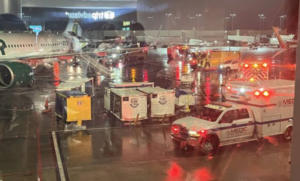
Charlotte Airport Faces Flight Delays Followin
Operations at Charlotte Douglas International Airport experienced temporary delays after a Frontier Airlines aircraft was involved in an unusual ground servicing incident before departure. Although the event…