Avocado Brain: How This Superfood Supports Memory, Focus & Healthy Ageing
When most people think about avocados, dishes like guacamole, avocado toast, or fresh salads usually come to mind. But beyond their delicious flavor, avocados are increasingly being recognized for their positive effects on brain health.
Rich in healthy fats, antioxidants, and essential vitamins, this fruit is gaining attention as a natural way to support memory, improve concentration, and slow age-related cognitive decline.
This article takes a closer look at how avocados benefit the brain, what recent scientific findings reveal, and simple ways to include them in your diet for lasting cognitive support.
Why brain health becomes more important with age
The brain is one of the body’s most energy-demanding organs, using about 20% of our daily calorie intake. As we grow older, issues like reduced blood flow, inflammation, and oxidative stress can influence memory, mood, and mental clarity. With Alzheimer’s and dementia becoming increasingly common worldwide, taking early preventive steps is more crucial than ever. Nutrition plays a major role in this—and avocados stand out as a powerful ally.
How avocados nourish the brain
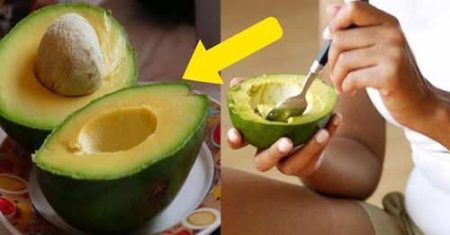
Key nutrients that make avocado a brain-boosting food
Avocados contain several beneficial components, such as:
Monounsaturated fats: Similar to the fats in olive oil, they help improve blood circulation, including to the brain, and support the protective myelin sheath around nerve cells.
Antioxidants: Lutein and vitamins E and C help shield brain cells from oxidative damage linked to aging.
Folate: Helps lower homocysteine levels, which are connected to impaired circulation and cognitive decline, thus supporting better memory and mental sharpness.
Lutein: the overlooked brain protector
While lutein is commonly associated with eye health, research shows that it also accumulates in brain areas tied to learning and memory. Higher lutein levels are linked to stronger cognitive performance in older adults. Since avocados are one of the richest sources of dietary lutein, they are an excellent choice for supporting memory and processing speed.
Avocados and the gut–brain link
Scientific studies now emphasize the importance of the “gut–brain axis,” the communication network between the digestive system and the brain. Avocados help maintain this connection by supplying fiber and healthy fats that feed beneficial gut bacteria. These bacteria produce compounds that reduce inflammation, help balance neurotransmitters, and promote better mood and focus. For expatriates adjusting to new food environments in Spain, adding avocados may help stabilize both gut and brain health.
Can avocados reduce the risk of dementia?
While no single food can stop Alzheimer’s or dementia, eating a nutrient-rich diet can lower the risk or slow progression. Avocados fit well into this preventative approach, especially alongside Mediterranean-style foods like olive oil, vegetables, fish, nuts, and legumes. Eating avocados regularly may help enhance circulation, limit oxidative damage, and support healthier brain function as we age.
Avocados for everyday mental performance
The benefits aren’t limited to older adults. Many younger people notice that meals containing healthy fats—like those in avocados—help them maintain steadier energy levels and better focus compared to meals high in refined carbs. Because avocados combine fats, fiber, and micronutrients, they can help prevent energy dips and improve concentration throughout the day.
Other Significant Benefits of Eating Avocado
Good for the heart: Monounsaturated fats help lower bad cholesterol and support healthy blood flow.
Stabilizes blood sugar: High fiber and healthy fats prevent spikes and crashes in energy.
Aids digestion: Fiber feeds beneficial gut bacteria and supports a healthy digestive system.
Boosts nutrient absorption: Helps the body absorb fat-soluble vitamins (A, D, E, K) from other foods.
Reduces inflammation: Antioxidants like vitamin E help protect cells from damage.
Keeps you fuller longer: Promotes satiety, helping with weight management.
Easy ways to include more avocados in your meals
Avocados are also extremely versatile:
Add slices to whole-grain toast with olive oil and tomato.
Blend into smoothies for natural creaminess.
Toss into salads with citrus and nuts for extra brain-supporting nutrients.
Use as a base for dips and spreads, beyond traditional guacamole.
Stir into soups for added richness.
Their soft texture and mild taste also make them a great food for babies, children, and healthy snacks. Avocado oil works well for salad dressings, light cooking, and even natural skincare.
When shopping, choose locally grown avocados for freshness and sustainability. Store ripe ones in the refrigerator, or speed up ripening by placing them in a paper bag with a banana.
How much should you eat?
Although avocados are highly nutritious, portion control still matters. A medium avocado contains roughly 250 calories and 21 grams of fat. For most people, eating half to one avocado a day is perfectly reasonable and beneficial. However, individuals with sensitive digestion may experience bloating, as avocados contain moderate levels of FODMAPs—types of short-chain carbohydrates that may cause digestive discomfort in those with IBS.

Related Posts
What Is Growing on My Head?
I didn’t realize how much power a tiny bump could hold until it started dictating my every waking thought. Each brush of my hair became a reminder…

Reagan-Appointed Judge Steps Down and Speaks Out on the Future of the Justice System
The resignation of longtime federal judge Mark L. Wolf has sparked discussion about the relationship between the judiciary, politics, and public trust in American institutions. Appointed to the federal…

Body Language Expert Analyzes Trump’s Tense Exchange During Television Interview
A recent interview between former President Donald Trump and journalist Kristen Welker has sparked discussion not only about the issues raised but also about the nonverbal communication…

Penny Lancaster’s Vacation Photos Spark Conversation About Confidence and Aging
Recent vacation photos of Penny Lancaster, wife of legendary singer Rod Stewart, have generated lively discussion online after she was photographed enjoying time with her family aboard…

Jesse Ridgway and Wife Share Emotional Story Following Prenatal Diagnosis
Few experiences carry as much anticipation as expecting a child. For many parents, pregnancy is a time of excitement, planning, and hopes for the future, but it…

My neighbor gave me a bag of these.anyone know what they are? How do you eat them?
The knock comes, the bag lands on your porch, and suddenly you’re staring at a pile of mystery produce you never asked for. Maybe it’s zucchini, unfamiliar…