Our body and mind have the power to send signs whenever something is wrong with our body. Sometimes, we decide to accept these warnings, and other times, we simply ignore them.
Paying attention to these signs, that are often subtle, can lead to early detection of an illness and increase the chances of battling it successfully.
Of course, whenever we feel something isn’t right, we should always consult a doctor.
Below are some of the early signs that warn us cancer is present in our body.
Unexpected Weight Loss

While most of us love being skinny and lose some weight when we are not happy with our appearance, losing weight all of a sudden, without making any changes in our diet or lifestyle may indicate the presence of cancer. This is especially true if the weight loss is significant and in a short amount of time.
Possible forms of cancer associated with unexplained weight loss are stomach, pancreas, or liver cancer (affects digestion and metabolism), lung or esophageal cancer (which interferes with swallowing and appetite), and blood cancers such as leukemia and lymphoma (which affect metabolism and immune function).
Constant fatigue and weakness

Unlike fatigue that is a result of lack of sleep and tiredness, fatigue that may indicate some more serious conditions, including cancer, is persistent.
Certain forms of cancer that cause fatigue are leukemia and lymphoma, colon or stomach cancer (causing slow internal bleeding and leading to anemia), or liver cancer.
Skin Changes

Any changes on the skin should be taken seriously.
No matter if it is moles, lumps, or skin discoloration, make sure you consult with your doctor.
Potential skin changes to keep an eye on are: moles with uneven borders, or change in color and size (probable signs of melanoma), constant sores that do not heal (may imply skin cancer), yellowing of the skin and eyes (jaundice) (related to liver or pancreatic cancer), dark spots or excessive itching (may indicate cancer of internal organs)
Persistent pain

Chronic pain that won’t go away even after you take medications and the amount of rest needed.
If the pain worsens over time, consult a doctor because it may be a sign of a more serious condition such as bone cancer (pain in the bones or fractures), brain tumors (causing persistent headaches, nausea, and vision problems), ovarian or colorectal cancer (causing pelvic or abdominal pain), or lung cancer (chest pain).
Unusual lumps or swelling
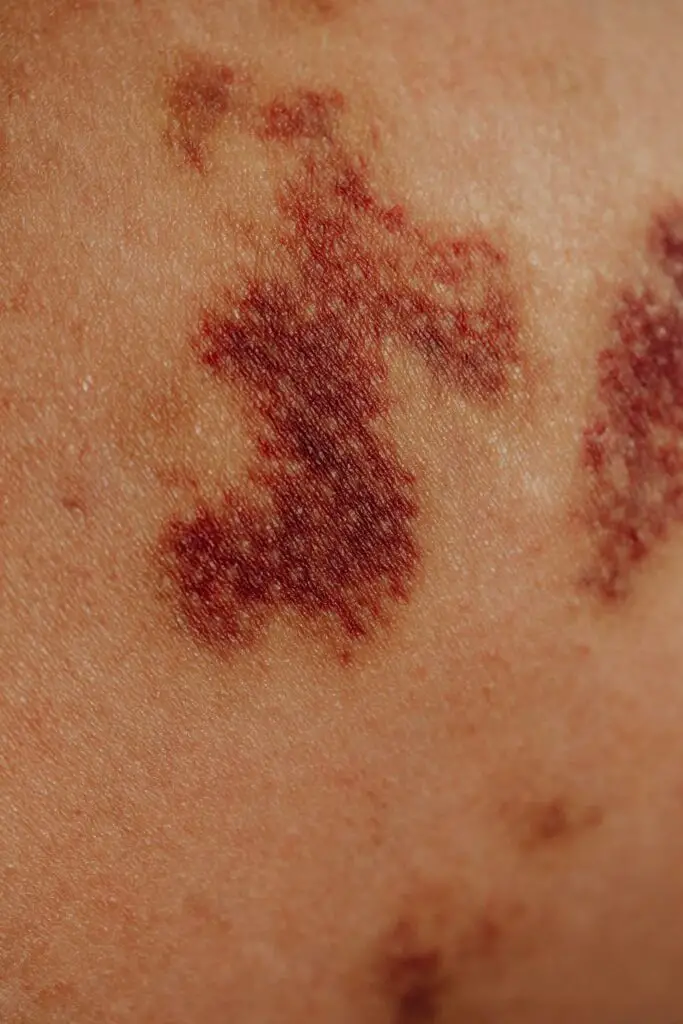
Getting lumps and growths on the skin is not unusual or uncommon. However, of the lumps get bigger, become red and painful, last more than two weeks, are hard and don’t move, or appear on your breasts or te***cles, consult wit your GP.
Please SHARE this article with your family and friends on Facebook.
Bored Daddy
Love and Peace

Related Posts
Hollywood Icon Caught In A Rare And Candid Pregnancy Moment
There is something quietly refreshing about seeing a Hollywood legend step away from the red carpet and simply move through an ordinary city afternoon. In this 2012…

Why Slow-Cooked Beef Sometimes Has White Stringy Strands — and Why It’s Usually Nothing to Worry About
Discovering thin white, string-like strands in a slow-cooked beef roast can be surprising, especially if you have never noticed them before. Many people expect cooked meat to…

The Remarkable Story of Benedita: Strength, Survival, and the Human Spirit
History is filled with stories of individuals whose resilience stood out even in the darkest of times, and the story of Benedita is one of them. Living…

Viral Bill Clinton Headline Highlights the Growing Problem of Misleading Clickbait
A headline linking former President Bill Clinton to the phrase “she tested positive for” has circulated online, drawing attention largely because of its incomplete and mysterious wording. Rather than…
Ovarian Can.cer May Develop Quietly – Here Are the Warning Signs to Watch For
Ovarian cancer is often called a silent disease because its early symptoms can resemble everyday digestive or hormonal changes. Only a small percentage of cases are diagnosed…
Weather Experts Provide Updates on Potential Tropical Storm Helene
Weather officials are closely monitoring a developing tropical system over warm waters that could bring significant impacts to parts of the southeastern United States. The disturbance is…