Most kitchens have that one forgotten can of beans, soup, or vegetables tucked away in the pantry. When people spot an expired date, the usual reaction is to toss it — but that’s not always necessary. In most cases, dates on canned goods refer to quality, not safety. Labels like “Best By” or “Best Before” indicate when the product tastes its best, not when it becomes unsafe to eat.
The “Use By” label, often found on dairy or meat products, also marks peak freshness rather than a strict safety deadline. If canned food has been stored properly — in a cool, dry place away from sunlight — it can last well beyond its printed date. High-acid foods such as tomatoes, citrus, or fruit are best enjoyed within 12 to 18 months, while low-acid foods like beans, corn, or canned meats can remain safe for three to five years, sometimes even longer.
According to the USDA, canned foods can stay safe indefinitely if the can is intact and undamaged. However, quality may gradually decline over time. Warning signs of spoilage include bulging lids, rust, leaks, deep dents, off smells, discoloration, or liquid spurting when opened. If you notice any of these, it’s best to discard the can immediately.
Understanding how to interpret expiration labels helps reduce food waste, save money, and make the most of your pantry staples. Before throwing out a can, give it a careful inspection — if it looks, smells, and tastes normal, it’s likely still safe to enjoy. Smarter food storage not only supports your budget but also helps protect the environment by reducing unnecessary waste.

Related Posts
Actor behind the original Geico Caveman speaks out – do you recognize him?
Most people find it annoying when ads start popping up while they watch their favorite film or series. The truth is that commercials can be boring, but…

Rep. Julia Brownley Announces Retirement, Opening a New Chapter in California Politics
The decision by Julia Brownley not to seek another term in Congress marks a significant transition for California’s political landscape and the Democratic Party. After years of representing a…

Republican Leaders Voice Support for Trump’s Iran Policy Amid Broader Debate
Several prominent Republican leaders have expressed support for former President Donald Trump and his approach toward Iran, framing their position as a matter of national security and strategic deterrence….
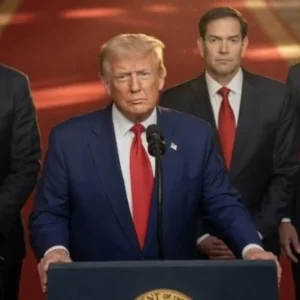
Trump Comments on Cases Involving Missing and Deceased Experts Amid Ongoing Questions
Former President Donald Trump has weighed in on recent speculation surrounding several cases involving missing or deceased scientists and government-linked experts, stating that he sees “not much of a…

🚨Photo Of Trump Family On Election Night Turns Heads After People Spot Small Detail!…
A single photo sparked widespread speculation. One smiling family image—missing Melania Trump—quickly ignited rumors and online debate. Some questioned whether her absence signaled tension. Others analyzed every…

Trump and Obama Exchange Highlights Growing Divide in Modern Political Discourse
A highly publicized exchange involving former Presidents Donald Trump and Barack Obama has reignited debate about the nature of political communication in the digital age. The encounter quickly attracted widespread attention…