If a dog has ever greeted you a little too closely, it can feel awkward or even intrusive. From a human perspective, that reaction makes sense. For dogs, though, this behavior is completely normal and rooted in how they understand the world. Smell is their primary language, and what seems inappropriate to us is simply how they gather information.
A dog’s nose is extraordinarily powerful. With up to 300 million scent receptors—compared to about 5 million in humans—they can detect subtle chemical signals called pheromones. These are especially concentrated in areas like the groin and underarms, which is why dogs often focus there. Their brain is wired to process scent in detail, allowing them to pick up cues about identity, mood, and even health. This ability is closely tied to a specialized organ known as the vomeronasal organ, which helps interpret these chemical signals.
In most cases, this kind of sniffing is harmless and part of normal canine behavior. It’s often a dog’s way of “introducing” themselves or gathering quick information. However, if the behavior becomes excessive or persistent, it may reflect overexcitement, lack of training, or anxiety. Context matters—an occasional sniff is typical, but repeated or intrusive behavior may need gentle correction.
To manage it, avoid reacting harshly, which can confuse or stress the dog. Instead, redirect their attention with a command like “sit” or “leave it,” and reward calm behavior. Consistent training and positive reinforcement go a long way in setting boundaries. Understanding why dogs do this makes it easier to respond with patience—and helps create more comfortable interactions for both you and your pet.

Related Posts

The Deadly Ingredient Hiding in Your Kitchen: Why That Bitter Taste Could Be a Fatal Warning
You may think you’re serving a healthy, home-cooked meal, but an unusually bitter taste could signal something more serious than bad seasoning. Food safety experts warn that…

Viewers Spot a Subtle Detail in Coca-Cola’s Iconic Logo
Some people have noticed that the second “C” in the Coca-Cola logo looks like a smile—and once you see it, it’s hard to ignore. The familiar red-and-white…

A Viral ICU Rescue Clip Wasn’t What It Seemed
A tense hospital video recently spread across social media, showing what appeared to be a nurse rushing to save an unconscious patient in an intensive care setting….

‘Most beautiful girl in the world’ Thylane Blondeau marries French DJ in fairytale Paris wedding
Thylane Blondeau was six when the world decided how she should look. Now 25, she has stepped into a new chapter—one defined on her own terms. Once…
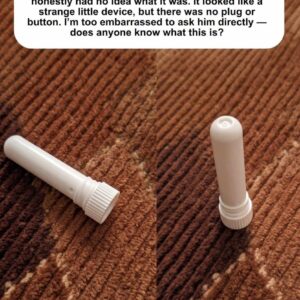
I found this tiny white stick in my son’s room and was too embarrassed to ask him does anyone know what it is?
What I thought was a mysterious gadget turned out to be something surprisingly ordinary. After searching online and comparing photos, I discovered it wasn’t a vape, hidden…

Charlotte Airport Faces Flight Delays Followin
Operations at Charlotte Douglas International Airport experienced temporary delays after a Frontier Airlines aircraft was involved in an unusual ground servicing incident before departure. Although the event…