The fast-paced living that modern life imposes on more and more people has made meal-prep a thing for many. The reason why is because preparing your meals in advance and them use them in the days to come saves time. However, what many aren’t aware of is that not every food can be reheated or kept overnight because they can develop harmful bacteria or release toxic compounds that put your health at risk.
Below are 5 foods you should never reheat or keep overnight no matter how tempted you are to consume them the following day.
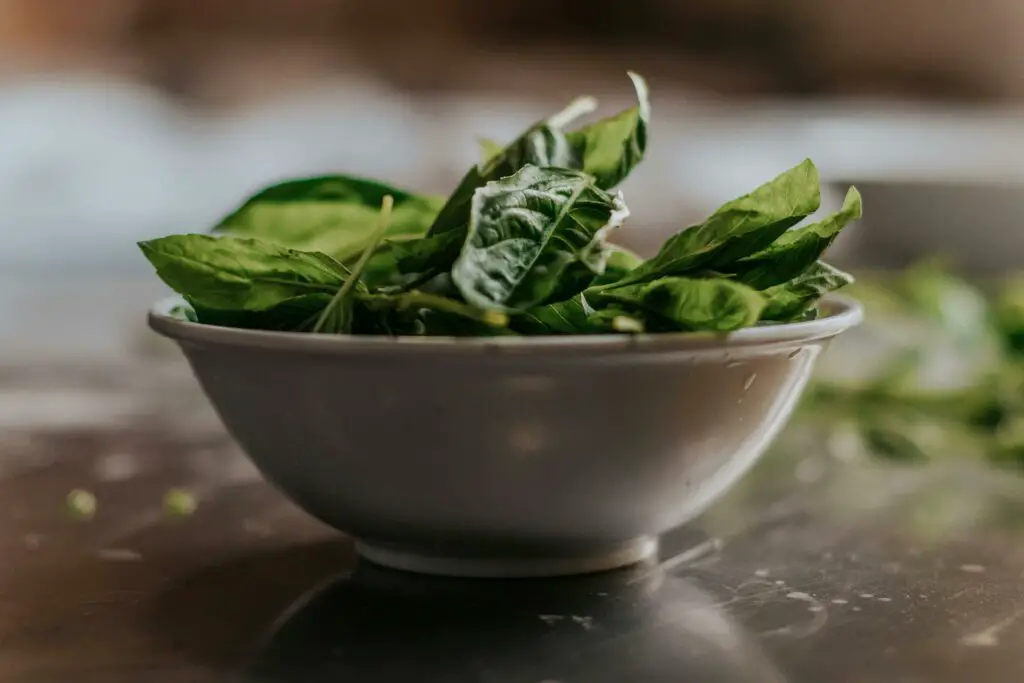
1. Leafy Greens (Spinach, Celery, Lettuce)
You are likely well-aware that leafy greens are healthy additions to your diet. However, keep in mind that they should never be reheated. If you wonder why, here’s why. Leafy greens are rich in nitrates that can convert to nitrites and nitrosamines when exposed to high heat, compounds linked to cancer and other health issues.
If you still want to eat your leftover leafy greens, just have them cold.
2. Rice
Reheating rice might seem harmless, but it can actually pose a serious health risk if not handled properly. Cooked rice can contain spores of Bacillus cereus, a bacterium that survives cooking. When rice is left at room temperature, these spores multiply and produce toxins reheating won’t destroy that cause nausea, vomiting, and diarrhea. Just to be safe, always cool rice quickly (within an hour), store it in the fridge, and reheat only once until steaming hot. Ideally, eat it within 24 hours or turn it into fried rice right away.

3. Eggs
Who doesn’t love eggs? They are easy to cook and are a great source of protein. However, when reheated they can release sulfur compounds, which may lead to stomach upset or worse. Also, if left out too long, eggs are prone to contamination by bacteria like Salmonella.

4. Mushrooms
Mushrooms are highly sensitive to temperature changes. Reheating them can lead to the breakdown of their proteins, producing compounds that may upset your stomach or cause food poisoning. In addition to that, improper storage increases the risk of bacterial growth.

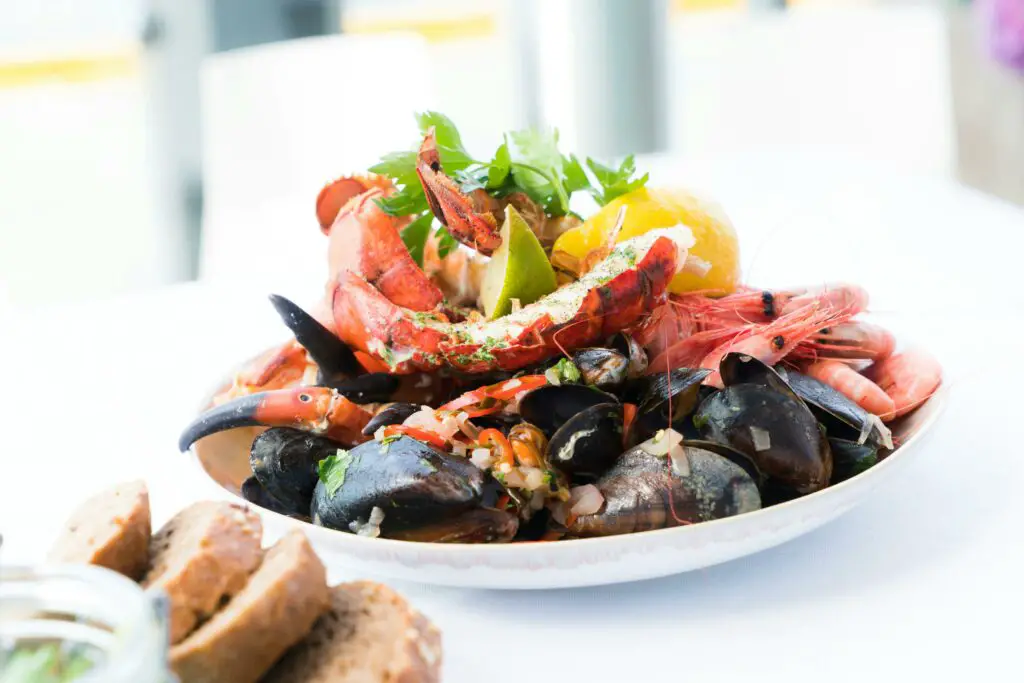
5. Seafood
Seafood tends to spoil quickly, so reheating it isn’t a good idea. Even when it looks and smells fine, it may contain bacteria or toxins that cause food poisoning, such as scombroid or ciguatera poisoning. These toxins can’t be destroyed by reheating. The proteins in fish also break down fast, making it easier for bacteria to grow. To stay safe, always store cooked seafood in the fridge right away and eat it cold within 24 hours.
Please SHARE this article with your family and friends on Facebook.
Bored Daddy
Love and Peace

Related Posts
Sandra Bullock Navigates a Difficult Personal Chapter Following a Family Loss
Sandra Bullock has experienced a deeply personal and emotional period in recent years, marked by a private family health struggle. Known for keeping her personal life out…

From Fright to Fascination: The Curious Case of the Red Triangle Slug
It started with a moment of unease—a strange, vivid red shape surrounded by unfamiliar textures, the kind of sight that makes you pause and look twice. A…

Standing Up, Standing Together: A Story of Protection, Mistakes, and Redemption
It started as a simple weekend ritual—breakfast at the same diner, the same table, the same familiar faces. Over time, though, something felt off. Melissa, the usually…

If you hit your head, watch out for these symptoms that can show up even days later
Head injuries are often easy to dismiss. You might bump your head, feel briefly dazed, and continue your day without concern. With no visible injury or immediate…

Scientists Tracked an Eagle for 20 Years—What They Learned
For years, scientists were puzzled by the movements of an eagle fitted with a GPS tracker. Instead of following predictable migration routes, the bird traveled across continents…

Tehran Claims Direct Strike on USS Abraham Lincoln as Regional Conflict Reaches Breaking Point
Tensions in the Arabian Sea have intensified, driven as much by competing narratives as by confirmed events on the ground. Conflicting reports have created uncertainty, leaving observers…