If you’ve ever glanced toward a jump seat during takeoff or landing, you may have noticed flight attendants sitting very still—backs straight, feet planted, hands tucked neatly beneath their thighs. To many passengers, the posture looks awkward or uncomfortable, easy to dismiss as a long-standing habit. In truth, it’s neither casual nor optional. This position is a deliberate safety technique known as the brace position, practiced during the most critical phases of flight. That quiet stillness reflects a level of readiness and responsibility that goes far beyond in-flight service.
Takeoff and landing are widely considered the most demanding moments of any flight. Speed and altitude are changing rapidly, and if something unexpected happens, there’s little time to react. Because of this, flight attendants are trained to sit in a way that reduces injury and preserves control. Keeping the hands secured under the thighs prevents arms from instinctively reaching forward or striking hard surfaces during sudden deceleration. It also stabilizes the upper body, helping protect vulnerable joints and ensuring attendants can move immediately if an emergency occurs.
This posture isn’t only about physical safety—it’s also about mental focus. During these moments, flight attendants are trained to scan the cabin, listen for abnormal sounds, and stay fully alert. Remaining still helps eliminate unnecessary movement and distraction, allowing total concentration on what’s happening around them. Training repeatedly places crew members in high-stress simulations where calm awareness is essential. In those seconds, their role shifts from hospitality to leadership, preparing to give instructions, assist passengers, and manage emergencies without hesitation.
It’s also why safety instructions differ between passengers and crew. Passengers are told to brace forward to protect themselves, while flight attendants stay upright so they can quickly stand, assess conditions, and help others. That distinction reflects the responsibility they carry. The hands-under-thighs position is just one small part of extensive training that includes evacuations, first aid, fire response, and crisis management. So the next time you see a flight attendant sitting that way, know it isn’t a quirk—it’s a quiet signal of preparedness, focus, and readiness during the most vulnerable moments of flight.

Related Posts

Bret Baier Provides Huge Update After Phone Call from Trump
Behind the confident “check, check, check, check” slogan, a more complicated reality emerges. Operation Epic Fury may have significantly damaged Iran’s naval and missile capabilities, but it…
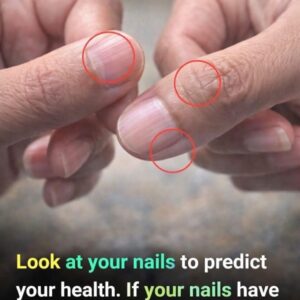
Reading the Signs: A Practical Guide to Understanding Nail Lines
Your nails can provide subtle clues about your overall health, often reflecting changes in the body before they become obvious elsewhere. Lines or ridges may appear gradually…
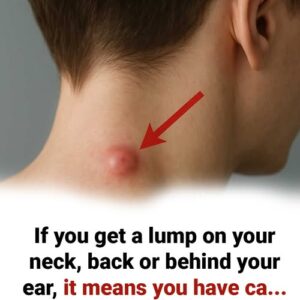
Got a lump on your neck, back or behind your ear? This is what you need to know
Finding a lump on your neck, back, or behind your ear can be alarming, often triggering worst-case fears. However, most lumps are harmless and caused by common,…
A Life of Grace: Remembering a Royal Figure’s Enduring Legacy
The royal family recently marked a period of reflection following the passing of Katharine, Duchess of Kent, a respected senior figure known for her quiet dedication to…

A Dinner With a Twist: The Little Piggy Who Planned Ahead
One easygoing evening, three little pigs decided to enjoy a night out at a cozy restaurant. They settled into a booth, chatting and laughing, clearly looking forward…

The Toy Beneath the Shelf: A Small Find That Brings Back Everything
It began as one of those ordinary, almost forgettable tasks—reaching under a bookshelf to recover a missing LEGO piece from that familiar space where small things vanish….