1. Rehydrates After a Night’s Sleep
While you sleep, your body goes for 6–8 hours (or more) without any water. During this time, it still loses fluid through breathing, sweating, and even minor movements. Drinking a glass of water first thing in the morning helps replenish these lost fluids.
It restores blood volume, supports healthy circulation, and gives your metabolism a natural boost. Think of it as your body’s way of “waking up” and getting ready for the day ahead.
2. Supports Kidney Function and Toxin Elimination
Your kidneys work 24/7 to filter your blood and remove waste products. But they can only function effectively if you provide them with enough water. Morning hydration helps:
-
-
Flush toxins and metabolic waste more efficiently
-
-
-
Reduce the risk of forming kidney stones
-
-
-
Prevent overly concentrated urine
-
This gentle “internal cleansing” is especially important after hours of overnight fasting and dehydration.
3. Aids Digestion and Promotes Regular Bowel Movements
Water stimulates the gastrointestinal tract and enhances the movement of the intestines (peristalsis). A glass of water in the morning helps:
Many people find that this becomes a helpful routine — water first, bathroom second.
4. Enhances Mental Clarity and Alertness
Even mild dehydration can impair focus, cause brain fog, and make you feel more tired. By rehydrating early, you:
-
-
Improve concentration
-
-
-
Reduce fatigue
-
-
-
Support memory and mood
-
Water won’t replace sleep or caffeine, but it gives your brain the hydration it needs to function optimally from the start of the day.
5. Regulates Appetite and Prepares the Digestive System
Drinking water before meals can help:
-
-
Prevent overeating by creating a feeling of fullness
-
-
-
Stimulate the production of digestive enzymes and stomach acid
-
-
-
Prime your body for better digestion
-
This works best if timed about 30 minutes before a meal.
6. Supports Skin Health and Body Temperature Control
Staying well-hydrated contributes to:
-
-
Better skin tone and elasticity
-
-
-
Improved circulation to the skin
-
-
-
Efficient regulation of body temperature, especially in hot weather or after exercise
-
Dehydration can make skin appear dull or tired — regular hydration helps you look and feel fresher.
Best Times to Drink Water: A Practical Daily Schedule
✅ Right After Waking:
Drink 300–500 ml (1–2 cups). This jumpstarts hydration and helps activate your internal systems.
✅ 30 Minutes Before Meals:
Drink 200–300 ml before breakfast, lunch, and dinner. This helps digestion and may reduce your appetite.
✅ 1–2 Hours After Meals:
Drink again if you’re still thirsty. This helps support digestion without diluting stomach acids during eating.
✅ Before and During Exercise:
-
-
Drink 200–400 ml 30 minutes before your workout
-
-
-
Sip water throughout your workout, especially in heat or for sessions longer than 30 minutes
-
-
-
Consider drinks with electrolytes for intense or long-duration exercise
-
✅ Before Bed (Optional):
If you’re slightly thirsty, drink a small glass (~100 ml). Avoid large amounts to prevent nighttime bathroom trips.
How Much Water Should You Drink Per Day?
A personalized hydration formula:
30–35 ml per kg of body weight per day
Example (for a 70 kg adult):
-
-
70 kg × 30 ml = 2,100 ml
-
-
-
70 kg × 35 ml = 2,450 ml
→ Aim for 2.1–2.45 liters per day
-
Other general guidelines:
-
-
The “8×8 Rule”: 8 glasses of 8 oz = ~1.9 liters — a common baseline
-
-
-
Men often need slightly more than women due to larger average body mass
-
-
-
Needs increase with exercise, heat, illness, pregnancy, and breastfeeding
-
What Happens If You Don’t Drink Enough Water
Mild dehydration symptoms:
Chronic underhydration risks:
Severe dehydration (medical emergency):
What Happens If You Drink Too Much Water
Short-term effects of overdrinking:
Rare but dangerous: Water Intoxication (Hyponatremia):
-
-
Caused by drinking large volumes of plain water too quickly
-
-
-
Dilutes sodium in the blood
-
-
-
Symptoms: headache, nausea, confusion, seizures, even coma
-
✅ Safety Tip:
Don’t force excessive fluids in a short time. For athletes or people sweating heavily, use electrolyte-balanced drinks (sports drinks or oral rehydration solutions) — not just plain water.
Tips for Staying Hydrated the Smart Way
-
-
Start your day with water: 300–500 ml right after waking.
-
-
-
Sip gradually throughout the day instead of drinking large amounts at once.
-
-
-
Check your urine color: pale yellow = hydrated, dark yellow = drink more.
-
-
-
Adjust your intake based on your environment and activity level.
-
-
-
Use electrolyte solutions if you’re sweating excessively or ill.
-
-
-
Consult a healthcare provider if you have health conditions affecting fluid balance (e.g., heart failure, kidney issues).
-

Related Posts

The Deadly Ingredient Hiding in Your Kitchen: Why That Bitter Taste Could Be a Fatal Warning
You may think you’re serving a healthy, home-cooked meal, but an unusually bitter taste could signal something more serious than bad seasoning. Food safety experts warn that…

Viewers Spot a Subtle Detail in Coca-Cola’s Iconic Logo
Some people have noticed that the second “C” in the Coca-Cola logo looks like a smile—and once you see it, it’s hard to ignore. The familiar red-and-white…

A Viral ICU Rescue Clip Wasn’t What It Seemed
A tense hospital video recently spread across social media, showing what appeared to be a nurse rushing to save an unconscious patient in an intensive care setting….

‘Most beautiful girl in the world’ Thylane Blondeau marries French DJ in fairytale Paris wedding
Thylane Blondeau was six when the world decided how she should look. Now 25, she has stepped into a new chapter—one defined on her own terms. Once…
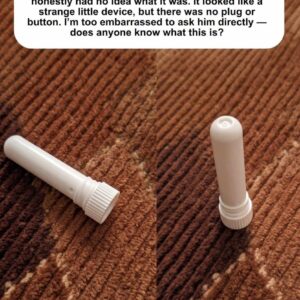
I found this tiny white stick in my son’s room and was too embarrassed to ask him does anyone know what it is?
What I thought was a mysterious gadget turned out to be something surprisingly ordinary. After searching online and comparing photos, I discovered it wasn’t a vape, hidden…

Charlotte Airport Faces Flight Delays Followin
Operations at Charlotte Douglas International Airport experienced temporary delays after a Frontier Airlines aircraft was involved in an unusual ground servicing incident before departure. Although the event…