The rapid development of COVID-19 vaccines by companies like Pfizer, Moderna, AstraZeneca, and Johnson & Johnson was unlike anything seen before. That speed, driven by global urgency and unprecedented collaboration, understandably raised questions about safety and long-term effects. As vaccination campaigns expanded worldwide, researchers began gathering large-scale, real-world data to better understand how these vaccines perform outside controlled clinical trials.
Over time, scientists have identified a small number of confirmed adverse events associated with vaccination. These include rare cases of myocarditis and pericarditis—primarily in younger individuals—along with allergic reactions and, in some reports, temporary changes such as elevated blood pressure or menstrual irregularities. Importantly, these effects remain uncommon, and most people experience only mild, short-term symptoms like fatigue or soreness. Monitoring systems in multiple countries continue to track these outcomes carefully, ensuring that even rare patterns are studied and understood.
Debate and discussion have naturally followed, as researchers work to interpret evolving data. Some studies have explored potential links between vaccination and specific conditions, contributing to ongoing scientific dialogue. However, the broader body of evidence consistently shows that the benefits of vaccination—particularly in reducing severe illness, hospitalization, and death from COVID-19—far outweigh the risks for the vast majority of people. This balance remains a key point emphasized by public health experts.
One of the most extensive analyses to date was conducted by the Global Vaccine Data Network, which reviewed health outcomes across more than 99 million vaccinated individuals in multiple countries. Published in the peer-reviewed journal Vaccine, the findings added valuable long-term insight into safety trends and rare side effects. While no medical intervention is entirely without risk, ongoing research continues to reinforce a clear conclusion: COVID-19 vaccines remain a critical and closely monitored tool in protecting public health worldwide.

Related Posts

Post-Election Legal Review Puts Kansas Town in the Spotlight
Just days after a low-key local election in Kansas, an unexpected legal filing shifted attention to a small community that had only just finished celebrating its mayor’s…

What Viral Personality Tests Really Reveal About Us
What this kind of image actually exposes isn’t narcissism—it’s how quickly we reach for simple answers about ourselves. A playful drawing becomes a kind of mirror, not…
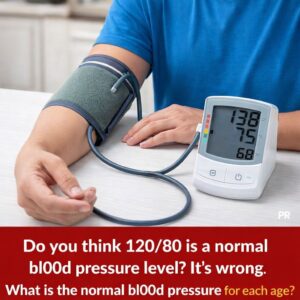
Rethinking Blood Pressure: Why “Normal for Your Age” Isn’t the Standard Anymore
For decades, a simple rule of thumb—“100 plus your age”—gave the impression that higher blood pressure was a natural, even acceptable part of getting older. Today, that…

Why a Toad Might Appear in Your Home and What It Could Mean
A toad appearing in your yard or home is usually drawn by simple needs: moisture, shelter, and a steady supply of insects. Gardens, potted plants, shaded corners,…

How an Elderly Woman Quietly Outsmarted a Cruise Ship Bartender and a Bank Teller, Revealing That Experience, Patience, and….
There is a common misconception that speed equals intelligence and visibility equals authority. Many assume the loudest voice or the quickest decision reflects capability. Yet true intelligence…

BREAKING: ‘The Voice’ Winner Has Been Shot, Airlifted to Hospital
Country singer Jason Head, professionally known as Sundance Head, first gained national attention in 2007 on American Idol. With his distinctive voice and stage presence, he quickly became…