What Is This Button In The Car For
You’ve probably noticed a button on your car’s dashboard that you’re not entirely sure about—it’s the one with an icon of a car and a circular arrow inside.
Ring a bell? That’s the air recirculation button. It may seem minor, but it plays a big role in your driving comfort—and potentially your safety.
However, using it incorrectly can have unintended side effects. Here’s what you need to know.
What Is the Air Recirculation Button For?
Simply put, this button blocks outside air from entering the cabin and recirculates the air already inside your vehicle.
It creates a closed-loop system that works with your car’s ventilation to heat or cool the interior based on your settings, then redistributes that air through the vents.
While this feature is straightforward, it’s important to use it wisely.
When Should You Use It? Ideal Situations
There are specific times when activating the air recirculation function is beneficial:
Driving through heavy traffic or polluted areas (e.g., city centers or ring roads)
Passing unpleasant odors (like near farms, factories, or treatment plants)
Traveling through tunnels or dusty environments
Hot weather – it helps your air conditioner work more efficiently
In these scenarios, the button helps keep unpleasant or polluted air out of your car. It’s a small action that can make a big difference in your comfort.
When NOT to Use It
In cold or damp conditions, recirculating air can cause problems. Why?
Increased humidity can quickly fog up your windows, reducing visibility.
CO₂ buildup from recycled air can lead to drowsiness, headaches, and fatigue.
Higher moisture levels create a breeding ground for mold and bacteria, which can harm your health.
These effects can happen without you noticing—so while it might feel like you’re improving comfort, you could actually be compromising safety.
Best Practices for Using Air Recirculation
To get the most benefit while avoiding risks, follow these simple tips:
Don’t leave it on continuously. Use it as needed, then switch back to fresh air.
Avoid using it in cold, rainy, or damp weather.
Limit use in hot weather to 10–15 minutes to cool the cabin, then switch it off.
Watch for fogged-up windows. If they start to mist over, turn off recirculation immediately.
Listen to your body. If you feel tired, stuffy, or lightheaded, check whether this feature has been on too long.

Related Posts

The Deadly Ingredient Hiding in Your Kitchen: Why That Bitter Taste Could Be a Fatal Warning
You may think you’re serving a healthy, home-cooked meal, but an unusually bitter taste could signal something more serious than bad seasoning. Food safety experts warn that…

Viewers Spot a Subtle Detail in Coca-Cola’s Iconic Logo
Some people have noticed that the second “C” in the Coca-Cola logo looks like a smile—and once you see it, it’s hard to ignore. The familiar red-and-white…

A Viral ICU Rescue Clip Wasn’t What It Seemed
A tense hospital video recently spread across social media, showing what appeared to be a nurse rushing to save an unconscious patient in an intensive care setting….

‘Most beautiful girl in the world’ Thylane Blondeau marries French DJ in fairytale Paris wedding
Thylane Blondeau was six when the world decided how she should look. Now 25, she has stepped into a new chapter—one defined on her own terms. Once…
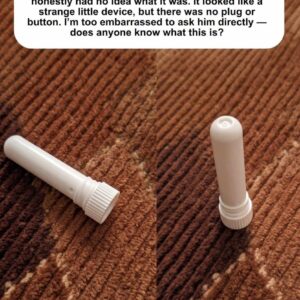
I found this tiny white stick in my son’s room and was too embarrassed to ask him does anyone know what it is?
What I thought was a mysterious gadget turned out to be something surprisingly ordinary. After searching online and comparing photos, I discovered it wasn’t a vape, hidden…

Charlotte Airport Faces Flight Delays Followin
Operations at Charlotte Douglas International Airport experienced temporary delays after a Frontier Airlines aircraft was involved in an unusual ground servicing incident before departure. Although the event…