If you’ve ever paused in the grocery aisle comparing packages of chicken, you may have noticed subtle — or sometimes striking — differences in color. One tray might feature meat that looks soft pink, while another carries a warmer, yellow hue. It’s natural to wonder whether one is fresher or higher quality than the other, especially when the cuts and prices appear nearly identical. While visual appeal often guides quick decisions, color alone doesn’t offer a complete picture of safety or nutritional value.
Much of the variation comes down to farming methods and diet. Chicken with a lighter pink tone is often linked to large-scale production systems, where birds are typically raised indoors and fed carefully balanced diets that promote steady, predictable growth. These practices help keep costs manageable and ensure a consistent product on store shelves. As a result, this paler appearance has become familiar to many shoppers and is widely considered standard rather than inferior.
A golden or deeper yellow shade, on the other hand, is usually connected to what the chickens eat. Diets containing corn, marigold extract, or other naturally pigmented ingredients can influence the color of the skin and fat. Birds raised with more room to move — or over a slightly longer period — may also develop a firmer bite and more pronounced flavor. That said, color can sometimes be shaped intentionally through feed choices, meaning it shouldn’t be viewed as automatic proof of superior quality.
For the most informed choice, it helps to look beyond appearance. Labels such as organic, pasture-raised, or Certified Humane often provide more meaningful insight into how the animals were cared for. You can also evaluate freshness by checking for a mild scent, a firm texture, and packaging well within its sell-by date. In the end, there’s no single “perfect” color that guarantees a better product — the right selection comes down to farming transparency, freshness, and what best suits your cooking style and preferences.

Related Posts
Expert shares insight into Melania Trump’s beauty routine
Considered one of the most beautiful women, Melania Trump’s beauty routine is something many are eager to get an insight into as questions about whether she has…
Fox News host shares creepy speculation about Barron Trump’s sex life
Barron Trump has been rumored to have a girlfriend. While there has been no confirmation, lately, it was reported that he shut down an entire floor of…
This Boy Was Born With a Heart-Shaped Birthmark and Here is What He Looks Like Now…
Remember the baby with the heart-shaped red birthmark? Now that some time has passed, this adorable child has grown up! Has the unique mark faded, and what…
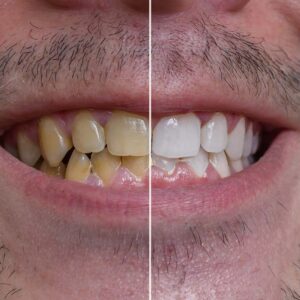
A Simple Method That May Help Reduce Yellow Stains and Plaque on Teeth
A bright smile is often associated with good oral hygiene and daily care. However, many people notice that over time their teeth can become yellow or develop…
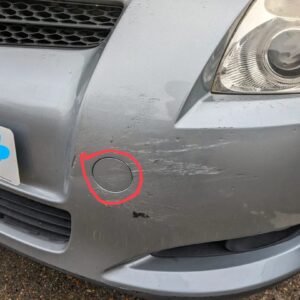
Why There’s a Small Panel on Your Car’s Bumper
Most drivers have noticed the small square or rectangular panel built into the front or rear bumper of a car. At first glance, it does not seem…

That Tiny Hole in a Safety Pin Has a Very Useful Purpose
Most people have used a safety pin at some point, but few stop to notice the tiny hole at one end. It may seem like an unimportant…