Ukrainian skeleton athlete Vladyslav Heraskevych has said he feels “heartbroken” after being informed he cannot wear a helmet honoring people killed in the war in Ukraine during official Olympic activities.
Why the Helmet Was Not Approved
Heraskevych, 26, revealed that the International Olympic Committee (IOC) told him the helmet design does not comply with Olympic rules on political expression. The helmet includes images of Ukrainian athletes and personal acquaintances who lost their lives following Russia’s 2022 invasion of Ukraine.
The athlete had worn the helmet in training and hoped to use it as a tribute during the Winter Games in Cortina.
In a message shared on social media, Heraskevych said the decision was painful for him and described the helmet as a way to honor members of the Ukrainian sporting community who can no longer compete.
Olympic Rules on Expression
The IOC cited Rule 50.2 of the Olympic Charter, which states that demonstrations or political, religious, or racial propaganda are not permitted at Olympic venues or sites. The rule is intended to keep the focus on sport and maintain neutrality at the Games.
According to Heraskevych, an IOC representative explained the decision to him in person at the Athletes’ Village.
IOC Response
During a press briefing, IOC spokesperson Mark Adams said the organization understands that athletes may wish to remember friends or colleagues lost in conflict. However, he noted that the IOC must apply its guidelines consistently and focus on athletic performance and competition.
As an alternative, the IOC indicated that Heraskevych would be allowed to wear a black armband as a form of tribute.
Reactions and Context
Ukraine’s president, Volodymyr Zelenskyy, has previously praised Heraskevych for drawing attention to the human cost of the conflict. Zelenskyy described such gestures as reminders of the impact of war.
Heraskevych has also spoken publicly about peace in the past, including holding a “No War in Ukraine” sign at the 2022 Beijing Olympics.
Ongoing Discussion
The situation highlights the ongoing balance the IOC seeks between allowing personal expression and maintaining political neutrality at the Olympic Games. Similar debates have arisen in past Olympics regarding how athletes can express personal or social messages.
For now, Heraskevych says he hopes for a fair outcome while continuing to focus on his competition.

Related Posts

The Deadly Ingredient Hiding in Your Kitchen: Why That Bitter Taste Could Be a Fatal Warning
You may think you’re serving a healthy, home-cooked meal, but an unusually bitter taste could signal something more serious than bad seasoning. Food safety experts warn that…

Viewers Spot a Subtle Detail in Coca-Cola’s Iconic Logo
Some people have noticed that the second “C” in the Coca-Cola logo looks like a smile—and once you see it, it’s hard to ignore. The familiar red-and-white…

A Viral ICU Rescue Clip Wasn’t What It Seemed
A tense hospital video recently spread across social media, showing what appeared to be a nurse rushing to save an unconscious patient in an intensive care setting….

‘Most beautiful girl in the world’ Thylane Blondeau marries French DJ in fairytale Paris wedding
Thylane Blondeau was six when the world decided how she should look. Now 25, she has stepped into a new chapter—one defined on her own terms. Once…

I found this tiny white stick in my son’s room and was too embarrassed to ask him does anyone know what it is?
What I thought was a mysterious gadget turned out to be something surprisingly ordinary. After searching online and comparing photos, I discovered it wasn’t a vape, hidden…
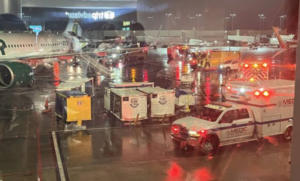
Charlotte Airport Faces Flight Delays Followin
Operations at Charlotte Douglas International Airport experienced temporary delays after a Frontier Airlines aircraft was involved in an unusual ground servicing incident before departure. Although the event…