The hip-hop world is pausing to remember Oliver Power Grant, a pivotal architect behind the early momentum of Wu-Tang Clan. Though rarely in the spotlight, Grant helped guide the group’s foundational strategy during its formative years. His influence extended beyond beats and lyrics, shaping the collective’s business direction at a time when few hip-hop artists were thinking long-term about ownership and brand power. What emerged wasn’t just a rap group, but a blueprint for cultural entrepreneurship.
When Wu-Tang Clan formed in the early 1990s, it quickly evolved from a tight-knit New York collective into a global force. Members such as Method Man and GZA have often spoken about the shared philosophy that united them—creative independence paired with sharp business instincts. That mindset allowed individual members to pursue solo careers while strengthening the group’s collective identity. Behind the scenes, figures like Grant played an essential role in ensuring the vision was structured to last.
One of the most groundbreaking extensions of that vision was Wu Wear, an independent clothing brand launched at a time when artist-owned fashion lines were virtually unheard of. Wu Wear demonstrated that hip-hop could be more than music—it could be lifestyle, commerce, and global branding. The label helped pioneer a model that countless artists would later adopt: build the art, own the business, and expand the platform. This fusion of creativity and strategy reshaped expectations for what musicians could achieve beyond the recording studio.
Grant’s passing marks a reflective moment for fans and collaborators alike. While he may not have commanded a microphone, his contributions were woven into the foundation of a movement that continues to influence music, fashion, and entrepreneurship. His legacy endures in the unmistakable Wu-Tang logo, in the group’s enduring catalog, and in the generations of artists inspired to think bigger than the stage.

Related Posts

10 Powerful Benefits of Spinach You Need to Know
Spinach is one of the most nutritious leafy greens you can add to your diet. It is low in calories, easy to prepare, and packed with vitamins,…

One Clove of Garlic a Day May Help More Than You Think
Garlic has been used for centuries in kitchens and traditional wellness practices around the world. While many people know it for its strong flavor and aroma, garlic…

Steve Perry’s Lasting Power Goes Far Beyond the Spotlight
Steve Perry’s legacy is about much more than an extraordinary voice. As the lead singer of Journey, he brought a rare emotional openness to arena rock, giving…

How Nostalgia Turns a Restaurant Into a Story
You do not walk into that dining room as much as enter a mood that has been carefully designed to feel familiar. The worn floorboards, the candy…
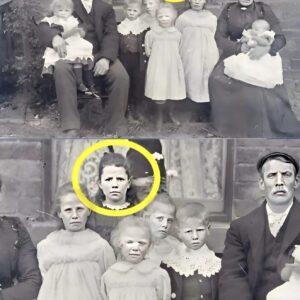
The Photograph That Changed What the Town Remembered
Later, people would say Maria’s smile seemed gentle at first glance—almost reassuring—if you didn’t study it too closely. But the enhanced image told a different story. Her…

Why This Wheel of Fortune Episode Felt So Different
What played out on this episode of Wheel of Fortune felt refreshingly unlike the show’s usual rhythm. Instead of the familiar dynamic of polite introductions and quick exchanges between…