At some point, almost everyone has noticed it: public restroom stall doors that stop well short of the floor. While it might seem like a strange design shortcut, the gap is intentional—and surprisingly practical. Far from being an oversight, this feature helps solve several challenges that come with managing busy, shared restrooms where cleanliness, safety, and efficiency matter.
One of the biggest reasons is sanitation. Public restrooms see constant foot traffic, which means spills and messes are unavoidable. Raised stall doors allow cleaning crews to mop and disinfect the entire floor quickly without opening or maneuvering around each stall. This saves time, improves hygiene, and helps facilities stay cleaner throughout the day, especially in high-use locations.
Safety also plays an important role in the design. If someone inside a stall experiences a medical emergency, the space beneath the door allows others to notice unusual movement—or lack of it—and alert staff. In urgent situations, responders can reach someone quickly without forcing doors open. The open space also improves airflow, helping reduce lingering odors and keeping restrooms more comfortable overall.
Finally, the gap helps keep things moving. It makes it easier to tell whether a stall is occupied, cutting down on awkward door-checking and reducing lines in crowded places like stadiums, schools, and airports. While full-length doors might offer more privacy, the current design strikes a balance between discretion and practicality. That small gap beneath the door turns out to be a thoughtful solution hiding in plain sight.

Related Posts
This Boy Was Born With a Heart-Shaped Birthmark and Here is What He Looks Like Now…
Remember the baby with the heart-shaped red birthmark? Now that some time has passed, this adorable child has grown up! Has the unique mark faded, and what…
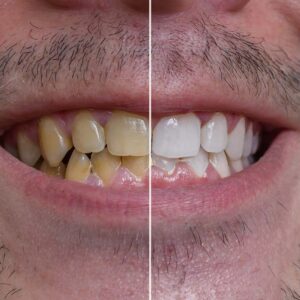
A Simple Method That May Help Reduce Yellow Stains and Plaque on Teeth
A bright smile is often associated with good oral hygiene and daily care. However, many people notice that over time their teeth can become yellow or develop…
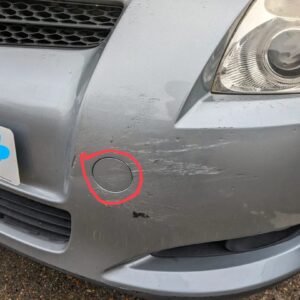
Why There’s a Small Panel on Your Car’s Bumper
Most drivers have noticed the small square or rectangular panel built into the front or rear bumper of a car. At first glance, it does not seem…

That Tiny Hole in a Safety Pin Has a Very Useful Purpose
Most people have used a safety pin at some point, but few stop to notice the tiny hole at one end. It may seem like an unimportant…

A Voice Full of Soul That Touched Everyone
When Ronee Martin stepped onto the stage of America’s Got Talent, she didn’t rely on flashy moments or big production. Instead, she delivered something far more powerful — pure emotion….

A Voice That Silenced the Entire Room
When Chris Kläfford stepped onto the stage of America’s Got Talent, no one expected what was about to happen. With a simple presence and no theatrics, he began to sing…