If you were standing at a self-checkout kiosk and realized no one was watching closely, would the temptation feel different than taking something directly from a cashier’s line? Over the past decade, retailers across the United States have installed thousands of self-service checkout stations to streamline operations and reduce labor expenses. While these machines offer convenience and shorter lines, they have also introduced a new challenge: increased opportunity for unpaid merchandise. Without direct employee oversight, some shoppers exploit system gaps—sometimes through well-known tactics like entering the code for a low-cost item instead of scanning a higher-priced one.
One commonly discussed method involves inputting the product code for an inexpensive item—such as bananas—while placing a more expensive product in the bagging area. Other tactics include skipping the scan entirely or swapping barcodes between items of different value. Studies analyzing large volumes of self-checkout transactions have shown that these practices can result in significant financial losses for retailers. When multiplied across thousands of stores and millions of purchases, even small discrepancies can add up to substantial revenue gaps.
Experts suggest that psychology plays a major role in these behaviors. The perceived anonymity of self-checkout machines can reduce the social pressure that typically discourages theft. Some individuals rationalize the act by convincing themselves that no specific person is harmed—only a large corporation. Others may view the system itself as flawed and therefore easier to justify exploiting. Researchers also note that convenience lowers barriers; when the opportunity appears effortless and low-risk, impulse decisions become more likely, even among people who might not otherwise consider dishonest behavior.
Despite these challenges, retailers continue expanding self-checkout options because many customers value speed and autonomy. Advances in technology are also helping address losses. Modern systems increasingly use camera monitoring, AI-assisted item recognition, and transaction analysis to flag inconsistencies in real time. As these tools improve, the balance between convenience and accountability becomes stronger. For shoppers, the takeaway is simple: integrity matters—even when interacting with a machine. Retail innovation may change how we pay, but personal responsibility remains a timeless part of the checkout process.

Related Posts
This Boy Was Born With a Heart-Shaped Birthmark and Here is What He Looks Like Now…
Remember the baby with the heart-shaped red birthmark? Now that some time has passed, this adorable child has grown up! Has the unique mark faded, and what…

A Simple Method That May Help Reduce Yellow Stains and Plaque on Teeth
A bright smile is often associated with good oral hygiene and daily care. However, many people notice that over time their teeth can become yellow or develop…
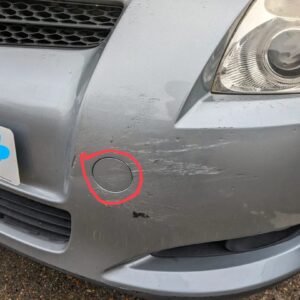
Why There’s a Small Panel on Your Car’s Bumper
Most drivers have noticed the small square or rectangular panel built into the front or rear bumper of a car. At first glance, it does not seem…

That Tiny Hole in a Safety Pin Has a Very Useful Purpose
Most people have used a safety pin at some point, but few stop to notice the tiny hole at one end. It may seem like an unimportant…

A Voice Full of Soul That Touched Everyone
When Ronee Martin stepped onto the stage of America’s Got Talent, she didn’t rely on flashy moments or big production. Instead, she delivered something far more powerful — pure emotion….

A Voice That Silenced the Entire Room
When Chris Kläfford stepped onto the stage of America’s Got Talent, no one expected what was about to happen. With a simple presence and no theatrics, he began to sing…