For years, eggs have been at the center of a nutritional debate. One moment, they’re praised as a perfect source of protein, and the next, they’re blamed for contributing to heart disease. So, where do they really stand when it comes to health? Let’s break it down.
Eggs, Cholesterol, and Your Health
Eggs are among the most widely consumed protein sources worldwide. They’re a staple in breakfast, found in countless recipes, and play a key role in baking. Despite their popularity, their reputation has fluctuated, mainly due to concerns about cholesterol.
Does the Cholesterol in Eggs Pose a Risk?
For years, eggs were considered a healthy food until heart disease became a leading cause of death. Since egg yolks contain cholesterol, they were thought to contribute to the problem, especially for individuals with high cholesterol. As a result, health authorities recommended limiting egg consumption.
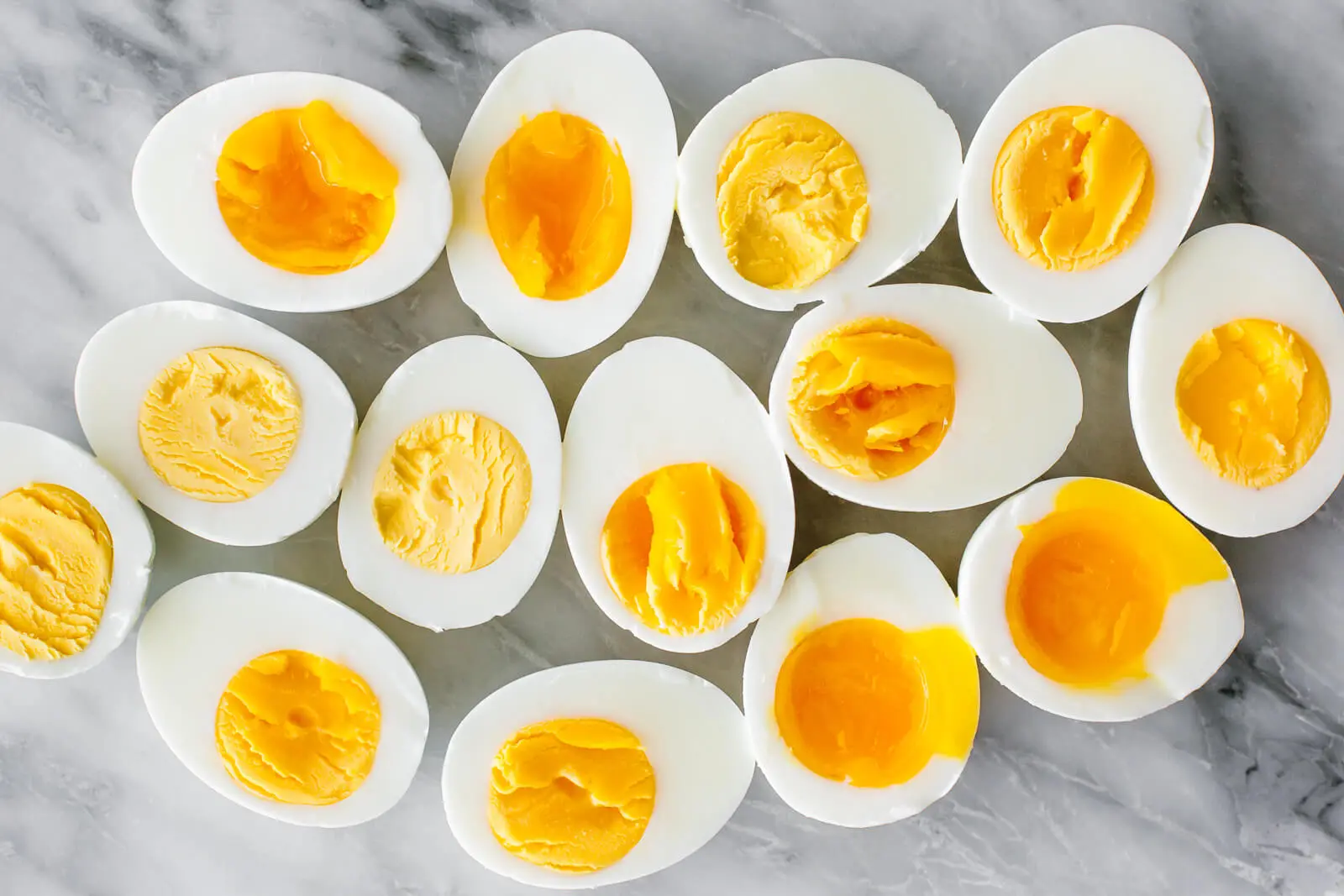
However, newer research has challenged this belief. Some studies suggest that eating eggs doesn’t necessarily increase heart disease risk factors like inflammation, artery hardening, or high cholesterol levels. In fact, some findings indicate that eggs may lower LDL (bad) cholesterol while increasing HDL (good) cholesterol.
That said, results are mixed. Some studies still suggest that eggs contribute to higher cholesterol levels, which could increase the risk of chronic diseases.
Is It the Eggs or What Comes With Them?
Research also indicates that the negative effects of eggs may be linked to the high-fat, high-cholesterol foods often eaten alongside them—such as processed meats, fried foods, cheese, and butter. Overall, experts agree that more studies are needed. While eggs may not pose a strong health risk for most people, those with existing cholesterol or heart disease concerns should exercise caution.

There’s no one-size-fits-all answer. The ideal number of eggs varies based on genetics, diet, cooking methods, and even geographical differences in egg nutrition. Some studies suggest that one to two eggs per day are safe for healthy individuals, while others recommend limiting intake to two to seven per week for potential health benefits. Factors like age, race, and overall health also play a role.
Nutritional Benefits of Eggs
Despite the cholesterol debate, eggs are packed with nutrients. The whites provide high-quality protein, but the yolks contain essential nutrients like vitamin D, iron, and carotenoids. These compounds may offer anti-inflammatory benefits and support good cholesterol levels.
Most experts agree that healthy individuals can enjoy whole eggs without much concern. However, for those with cholesterol issues, reducing egg yolk consumption may be a better option.

While the debate over eggs continues, the latest research suggests they aren’t as harmful as once believed. For most people, moderate egg consumption can be part of a healthy diet. However, those with specific health concerns should consult their doctor to determine what’s best for them.

Related Posts
Expert shares insight into Melania Trump’s beauty routine
Considered one of the most beautiful women, Melania Trump’s beauty routine is something many are eager to get an insight into as questions about whether she has…
Fox News host shares creepy speculation about Barron Trump’s sex life
Barron Trump has been rumored to have a girlfriend. While there has been no confirmation, lately, it was reported that he shut down an entire floor of…
This Boy Was Born With a Heart-Shaped Birthmark and Here is What He Looks Like Now…
Remember the baby with the heart-shaped red birthmark? Now that some time has passed, this adorable child has grown up! Has the unique mark faded, and what…
A Simple Method That May Help Reduce Yellow Stains and Plaque on Teeth
A bright smile is often associated with good oral hygiene and daily care. However, many people notice that over time their teeth can become yellow or develop…

Why There’s a Small Panel on Your Car’s Bumper
Most drivers have noticed the small square or rectangular panel built into the front or rear bumper of a car. At first glance, it does not seem…

That Tiny Hole in a Safety Pin Has a Very Useful Purpose
Most people have used a safety pin at some point, but few stop to notice the tiny hole at one end. It may seem like an unimportant…