In a significant ruling with nationwide implications, the U.S. Supreme Court has unanimously sided with a Pennsylvania postal worker in a case that reshapes how employers must evaluate requests for religious accommodations. The case centered on Gerald Groff, a Christian mail carrier who argued that the U.S. Postal Service violated his rights when it required him to deliver packages on Sundays, the day he observes as the Sabbath. The Court’s decision marks one of the most meaningful updates to workplace religious rights in nearly half a century.
For decades, employers operated under the 1977 Trans World Airlines v. Hardison precedent, which allowed religious accommodations to be denied if they imposed more than a minimal—or “de minimis”—cost on the business. In a 9-0 decision, the justices declared that this threshold was far too weak. The Court clarified that employers must now demonstrate that accommodating an employee’s religious practice would create “substantial increased costs” or a genuine undue hardship, setting a significantly higher bar for denying such requests.
Writing for the Court, Justice Samuel Alito emphasized that the Civil Rights Act of 1964 envisions a fair and meaningful balancing of religious observance and workplace operation. The new interpretation aligns religious accommodations more closely with other federal protections—such as those under the Americans with Disabilities Act—requiring employers to seriously evaluate accommodation options rather than dismiss them based on minor inconvenience. Religious liberty advocates praised the ruling as a long-overdue reinforcement of employee rights.
Some labor groups, however, expressed concern that the decision could make scheduling more complicated if certain workers are frequently exempted from weekend or holiday shifts. Legal analysts expect the ruling to have a sweeping impact, prompting employers across the country to reassess their policies and document real hardship before denying religious requests. Groff, who resigned after years of dispute over Sunday work, welcomed the outcome, calling it a win for fairness and clarity. “No one should have to choose between their job and their faith,” he said, hopeful that the ruling will strengthen protections for millions of American workers.

Related Posts
Expert shares insight into Melania Trump’s beauty routine
Considered one of the most beautiful women, Melania Trump’s beauty routine is something many are eager to get an insight into as questions about whether she has…
Fox News host shares creepy speculation about Barron Trump’s sex life
Barron Trump has been rumored to have a girlfriend. While there has been no confirmation, lately, it was reported that he shut down an entire floor of…
This Boy Was Born With a Heart-Shaped Birthmark and Here is What He Looks Like Now…
Remember the baby with the heart-shaped red birthmark? Now that some time has passed, this adorable child has grown up! Has the unique mark faded, and what…
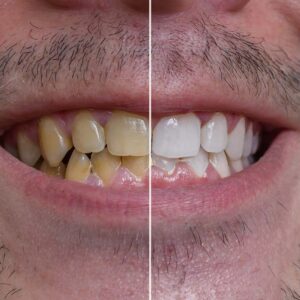
A Simple Method That May Help Reduce Yellow Stains and Plaque on Teeth
A bright smile is often associated with good oral hygiene and daily care. However, many people notice that over time their teeth can become yellow or develop…

Why There’s a Small Panel on Your Car’s Bumper
Most drivers have noticed the small square or rectangular panel built into the front or rear bumper of a car. At first glance, it does not seem…

That Tiny Hole in a Safety Pin Has a Very Useful Purpose
Most people have used a safety pin at some point, but few stop to notice the tiny hole at one end. It may seem like an unimportant…