Losing a tooth is a source of major pain, and it also comes with a lot of issues and long-term discomforts. Dentures are one way to replace a lost or bad tooth, but they come with a lot of burdens on their own. A new dental replacement procedure is in the works, and it could be a whole lot better than getting regular dentures or standard implants: Stem Cell Dental Implants. (1)
It takes a while to get used to having teeth you were not born with, and some people’s gums and jawbones are just not suitable to receive dentures and other traditional implants. Some people have bad anxiety regarding dental procedures, and there are conditions that prevent some from receiving dentures. There are also many drawbacks to traditional dentures, including (2):
Scientists have developed a new procedure for tooth replacement known as stem cell dental implants. According to a study that was published in the Journal of Dental Research, it could now be possible to regenerate your own teeth through stem cell stimulation. Dr. Jeremy Mao, a Professor of Dental Medicine at Columbia University Medical Research Center spearheaded the research.
What Are Dental Stem Cells?
Stem cells are those that help to create all of the organs and systems in your body that make you, well, a functioning human being. They are capable of changing every cell in your body and are found in most of your tissues. They not only help to create your body but also to replenish it. (3)
Researchers found that our teeth contain a wealth of stem cells. They are found in both baby and adult teeth and have the ability to completely regenerate themselves. What’s better, dental stem cells are highly compatible with the body’s immune system. This means your body is less likely to reject them, making them a viable option for treating many conditions. In dentistry, they may be able to assist in healing certain aspects of the teeth before surgical intervention is required. For example, they could help to heal a cavity before a root canal is necessary. Scientists are also studying how to use them to regrow teeth rather than giving people traditional dentures. (4)
How do these stem cell dental implants actually work?
To begin, a growth-factor-infused 3D scaffolding is implanted into the area of the missing tooth, which then stimulates your body’s own stem cells to migrate to the area. In turn, this will stimulate the regeneration of an anatomically perfect tooth. What’s even more amazing is that this process only takes around two months. (5)

Related Posts

The Deadly Ingredient Hiding in Your Kitchen: Why That Bitter Taste Could Be a Fatal Warning
You may think you’re serving a healthy, home-cooked meal, but an unusually bitter taste could signal something more serious than bad seasoning. Food safety experts warn that…

Viewers Spot a Subtle Detail in Coca-Cola’s Iconic Logo
Some people have noticed that the second “C” in the Coca-Cola logo looks like a smile—and once you see it, it’s hard to ignore. The familiar red-and-white…

A Viral ICU Rescue Clip Wasn’t What It Seemed
A tense hospital video recently spread across social media, showing what appeared to be a nurse rushing to save an unconscious patient in an intensive care setting….

‘Most beautiful girl in the world’ Thylane Blondeau marries French DJ in fairytale Paris wedding
Thylane Blondeau was six when the world decided how she should look. Now 25, she has stepped into a new chapter—one defined on her own terms. Once…
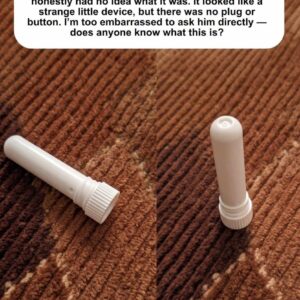
I found this tiny white stick in my son’s room and was too embarrassed to ask him does anyone know what it is?
What I thought was a mysterious gadget turned out to be something surprisingly ordinary. After searching online and comparing photos, I discovered it wasn’t a vape, hidden…

Charlotte Airport Faces Flight Delays Followin
Operations at Charlotte Douglas International Airport experienced temporary delays after a Frontier Airlines aircraft was involved in an unusual ground servicing incident before departure. Although the event…