We often use photographs to look back on our youth and to remember things about our childhood. The woman in this article, Viola Davis has only one photo from her childhood, a kindergarten picture.
Viola Davis grew up in a time when she was dealing with severe hardship and poverty. Her parents were working stable jobs in a factory, but it wasn’t enough. They had to rely on food stamps and often ran out before more came in.
Davis often dealt with severe hunger as a result of the lack of food at her house. The only times she would get a meal every day was when she got her school lunch.
Many other problems were also experienced at home. The harsh winters were difficult to handle, and rats would often swarm through the home at night.
Even though Davis had to deal with such difficult situations, she didn’t let it dampen her hope for the future. She had always dreamed of doing something with her life, so she took advantage of her education and creativity to achieve it.
Davis was born in a one room shack on her grandmother’s farm in South Carolina. At one time, that property had been a plantation. Eventually, they moved the family to Rhode Island in hopes of a better life but poverty was a constant companion.
When Davis was nine years old, she got caught stealing and it affected her for many years. She said: “The store owner screamed at me to get out, looking at me like I was nothing.”
After taking full advantage of her education, and taking part in as many extracurricular activities as possible, she saw an opportunity to break free. This included a desire to write skits with her siblings, and eventually, she joined the Upward Bound Program, which helps students from low income families.
A scholarship from Rhode Island College would also come into play. She majored in theater and one of her professors saw that she had a lot of potential.
When she left college, she auditioned for Juilliard and secured one of only 14 of the spots available. Being accepted into Julliard meant a major turning point for her.
She was only 29 years old when she was in August Wilson’s play, Seven Guitars and earned a Tony award nomination. She said that her parents were in the audience on opening night and her father cried. She knew that she had made the right choice.

Related Posts
Expert shares insight into Melania Trump’s beauty routine
Considered one of the most beautiful women, Melania Trump’s beauty routine is something many are eager to get an insight into as questions about whether she has…
Fox News host shares creepy speculation about Barron Trump’s sex life
Barron Trump has been rumored to have a girlfriend. While there has been no confirmation, lately, it was reported that he shut down an entire floor of…
This Boy Was Born With a Heart-Shaped Birthmark and Here is What He Looks Like Now…
Remember the baby with the heart-shaped red birthmark? Now that some time has passed, this adorable child has grown up! Has the unique mark faded, and what…
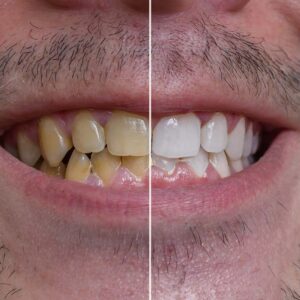
A Simple Method That May Help Reduce Yellow Stains and Plaque on Teeth
A bright smile is often associated with good oral hygiene and daily care. However, many people notice that over time their teeth can become yellow or develop…

Why There’s a Small Panel on Your Car’s Bumper
Most drivers have noticed the small square or rectangular panel built into the front or rear bumper of a car. At first glance, it does not seem…

That Tiny Hole in a Safety Pin Has a Very Useful Purpose
Most people have used a safety pin at some point, but few stop to notice the tiny hole at one end. It may seem like an unimportant…