Bathing is more than a routine — it’s a daily ritual that supports comfort, dignity, and independence. But after age 70, the body responds to heat very differently than it did in earlier years. As we age, blood vessels lose some of their elasticity, meaning they don’t adjust as quickly to sudden temperature changes. Hot water naturally causes blood vessels to widen, which lowers blood pressure. While younger adults compensate almost instantly, older adults may experience a delay in this adjustment. The result can be dizziness, weakness, or lightheadedness during what should be a calming shower.
Timing plays a bigger role than many people realize. Early morning showers can pose a particular risk because blood pressure is typically lower after a night of sleep. Standing up too quickly already increases the chance of dizziness, and stepping into hot water can amplify that drop in blood pressure. This combination may lead to blurred vision or instability — two major contributors to falls. Late-night hot baths can also be problematic, as they may place unnecessary strain on the heart when the body is naturally preparing to wind down.
Water temperature matters just as much as timing. Very hot showers force the cardiovascular system to work harder and can increase the likelihood of dehydration or fainting. Experts generally recommend lukewarm water, ideally between 98°F and 104°F, for older adults. Mid-morning or early afternoon is often the safest window for bathing, as circulation has stabilized and energy levels are higher. Choosing a consistent, moderate routine allows the body to handle warmth more comfortably and safely.
Small changes can make a meaningful difference in preventing accidents. Sitting on the edge of the bed for a minute before standing helps regulate blood pressure. Testing water temperature carefully and easing in gradually — starting with your feet — can reduce sudden shifts in circulation. Installing grab bars, using non-slip mats, and avoiding showers immediately after large meals add further protection. By adjusting daily habits to align with how the body changes over time, older adults can maintain independence while prioritizing safety and well-being.

Related Posts
Fox News host shares creepy speculation about Barron Trump’s sex life
Barron Trump has been rumored to have a girlfriend. While there has been no confirmation, lately, it was reported that he shut down an entire floor of…
This Boy Was Born With a Heart-Shaped Birthmark and Here is What He Looks Like Now…
Remember the baby with the heart-shaped red birthmark? Now that some time has passed, this adorable child has grown up! Has the unique mark faded, and what…
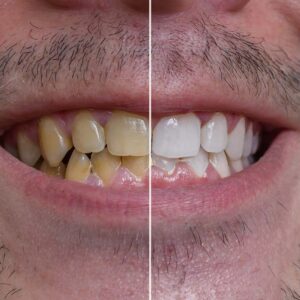
A Simple Method That May Help Reduce Yellow Stains and Plaque on Teeth
A bright smile is often associated with good oral hygiene and daily care. However, many people notice that over time their teeth can become yellow or develop…

Why There’s a Small Panel on Your Car’s Bumper
Most drivers have noticed the small square or rectangular panel built into the front or rear bumper of a car. At first glance, it does not seem…

That Tiny Hole in a Safety Pin Has a Very Useful Purpose
Most people have used a safety pin at some point, but few stop to notice the tiny hole at one end. It may seem like an unimportant…

A Voice Full of Soul That Touched Everyone
When Ronee Martin stepped onto the stage of America’s Got Talent, she didn’t rely on flashy moments or big production. Instead, she delivered something far more powerful — pure emotion….