If there is one thing we are certain of in life, it’s the
fact that people have an opinion. Some will even try to voice
that opinion as loud as possible, despite the fact that very few people are listening.
The Internet really makes it easy for anyone to have such an opinion
and to voice it for the world to hear. The funny thing is that the stranger the opinion, the more press it seems to receive.
That is what one expert is now experiencing, thanks to their unusual
recommendation for parents. They are a self-proclaimed relationship expert,
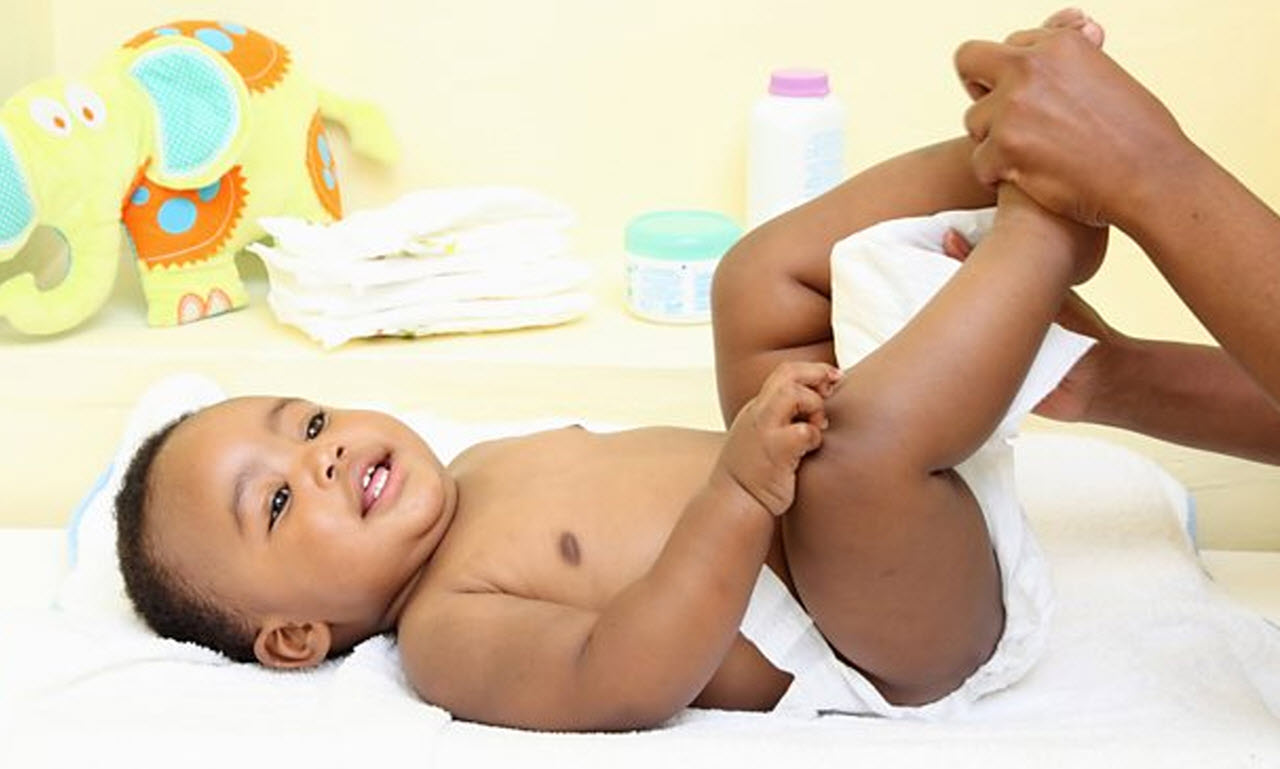
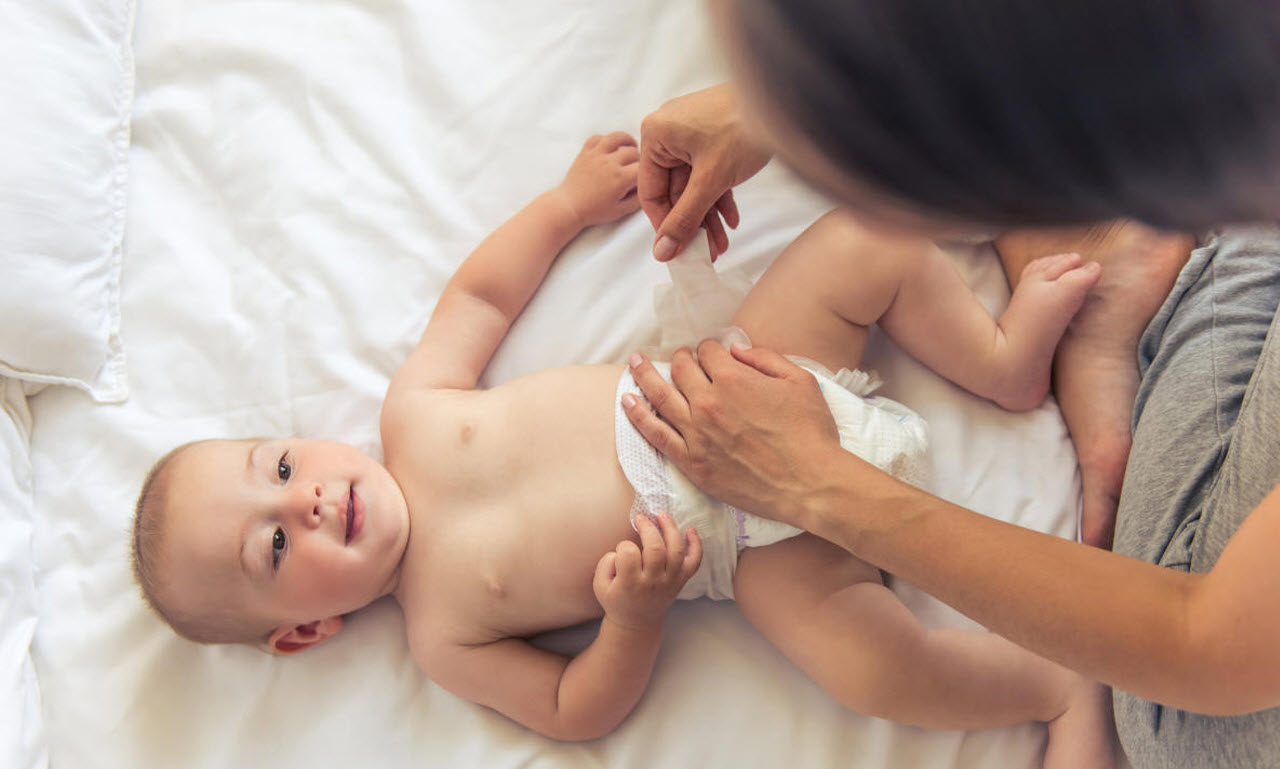
and they said that parents should ask for permission before changing a diaper.
We realize that there are a lot of issues revolving around consent these days,
and it can be difficult to navigate them. As far as many parents are concerned,
however, asking a baby’s permission before changing a dirty diaper is just out of the question.
To be honest, most parents are not very happy about the fact that they have to
change diapers but it is a necessity if you are going to raise your children
happy and healthy. Adding the extra layer of having to ask permission before doing so is above and beyond.
The woman who made this claim says that she is a ‘sexuality educator,
speaker, and author.’ Her name is Deanne Carson and her unusual recommendation for parents is making waves.
She was on ABC in 2018 to share these insights. She said that this is typically done with children above the age of three but she also feels that consent is important to introduce at a much younger age.
She does admit that babies will not be able to verbally respond to the request for consent, but they should be able to give nonverbal communication with eye contact and in other forms.
She claims that it’s about setting up a culture of consent in the home, and asking if it is okay to change the nappy before doing so.
Carson went further to explain the process, saying that allowing a moment for anticipation and waiting for any nonverbal cues can help parents and toddlers communicate on a deeper level.
Perhaps the most interesting thing was the way the reporters reacted to the suggestion. Not only were they very verbal, but they were also wondering what would happen if the baby said no.

Related Posts
Mother discovers a black spot in her daughter’s mouth and goes to the hospital in a hurry
While playing with her child, a mother noticed something that left her disturbed. On the hard palate inside the girl’s mouth was a huge black patch the…

How to Understand and Care for Common Skin Changes on Your Legs
Noticing small bumps, itching, or redness on your legs can feel concerning at first, but these changes are often linked to everyday causes. Simple factors like shaving,…

How to Make a Hearty Baked Chili Mac Casserole Everyone Will Love
This baked chili mac casserole is the kind of meal that turns everyday ingredients into something deeply satisfying. It starts with slightly undercooked macaroni, which is key—it…

How to Make a Comforting 4-Ingredient Slow Cooker Sausage and Cabbage
This simple slow cooker dish is a reminder that comfort food doesn’t need a long ingredient list to feel satisfying. With just a few basics, you can…

How Barbara Eden Turned Personal Loss into a Message of Strength and Awareness
Behind the iconic image of Barbara Eden as the beloved star of I Dream of Jeannie is a life shaped by both remarkable success and deeply personal hardship. Rising from modest…

Doctors reveal that eating figs causes… See more…
Many people suffer from back, spinal, or joint pain, sometimes daily, which can make normal life difficult. While medicine offers treatments, they are often expensive and provide…