Celery is one of those vegetables people often overlook. It is crisp, refreshing, and very low in calories, but it still provides useful nutrients that can fit well into a healthy diet. FDA nutrition data for raw vegetables shows that 2 medium celery stalks (110 g) provide about 15 calories, 5 g carbohydrate, 2 g fiber, 260 mg potassium, and about 15% of the Daily Value for vitamin K.
1. Celery is very low in calories
One of celery’s biggest advantages is how low in calories it is. Because it gives you volume and crunch for very few calories, it can be a smart food for people trying to manage portion sizes or build lighter meals and snacks. FDA data lists just 15 calories per 2 medium stalks, which is why celery is often used in salads, soups, and snack plates.
2. It helps you stay hydrated
Celery is mostly water, which is one reason it feels so light and refreshing. Foods with high water content can help with overall hydration and can make meals feel more filling without adding many calories. That does not make celery a replacement for drinking water, but it does make it a useful hydrating vegetable to include regularly. Its very low calorie count alongside a high-volume serving supports that role.
3. Celery provides fiber for digestion
Celery is not a super high-fiber food compared with beans or bran, but it still contributes fiber. Fiber helps food move through the digestive system, adds bulk, and can help prevent constipation. MedlinePlus notes that dietary fiber supports digestion, helps prevent constipation, and can also help people feel full faster. Since celery provides fiber with very few calories, it can be a practical addition to a digestion-friendly eating pattern.
4. It contains vitamin K for bone and blood health
Celery’s most notable micronutrient is vitamin K. The NIH Office of Dietary Supplements says vitamin K is important for blood clotting and healthy bones. FDA nutrition data shows celery provides about 15% of the Daily Value for vitamin K in just 2 medium stalks, which makes it a useful vegetable for supporting overall vitamin K intake.
5. It gives you some potassium
Celery also contains potassium, a mineral that helps support normal fluid balance and healthy body function. The American Heart Association notes that potassium helps lessen the effects of sodium and is important for heart health. Celery is not one of the richest potassium foods overall, but the 260 mg per 2 stalks can still add up when it is part of a diet rich in vegetables and fruits.
6. It fits well into a heart-healthy eating pattern
No serious evidence shows celery alone is a miracle food, but it fits well into the kind of eating pattern doctors recommend for long-term health: more vegetables, more fiber, more potassium-rich foods, and fewer high-calorie processed snacks. The American Heart Association says fruits and vegetables provide nutrients such as fiber, potassium, folate, and vitamins, and eating more of them may help support heart health and overall wellness.
7. It is an easy “crunchy swap” for less healthy snacks
One practical benefit of celery is how easy it is to use. Replacing chips or heavily salted snacks with celery and a healthy dip can cut calories while increasing vegetable intake. Because fiber can help you feel fuller, even modest-fiber vegetables can help as part of a more satisfying snack routine. This is one of celery’s most realistic benefits: not magic, but a simple food choice that can improve diet quality over time.
A small caution
Because celery contains vitamin K, people who take warfarin or similar blood thinners should not make sudden major changes in vitamin K intake without medical advice. NIH guidance says people taking warfarin should keep vitamin K intake consistent from day to day.
Final Thoughts
Celery may not be flashy, but it is still a smart vegetable. It is low in calories, contributes fiber, provides vitamin K and potassium, and fits easily into a healthy eating pattern. The real benefit of celery is not that it cures disease on its own — it is that it helps you eat more vegetables in a simple, affordable, and evidence-based way.

Related Posts
Shaquille O’Neal’s Health and Wellness Updates
Shaquille O’Neal is widely recognized for his dominant basketball career, but his approach to health has also played an important role in his life over time. He…
Expert shares insight into Melania Trump’s beauty routine
Considered one of the most beautiful women, Melania Trump’s beauty routine is something many are eager to get an insight into as questions about whether she has…
Fox News host shares creepy speculation about Barron Trump’s sex life
Barron Trump has been rumored to have a girlfriend. While there has been no confirmation, lately, it was reported that he shut down an entire floor of…
This Boy Was Born With a Heart-Shaped Birthmark and Here is What He Looks Like Now…
Remember the baby with the heart-shaped red birthmark? Now that some time has passed, this adorable child has grown up! Has the unique mark faded, and what…
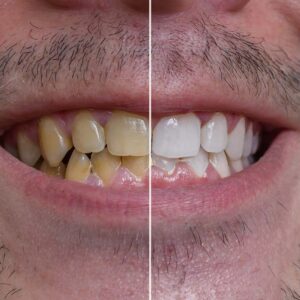
A Simple Method That May Help Reduce Yellow Stains and Plaque on Teeth
A bright smile is often associated with good oral hygiene and daily care. However, many people notice that over time their teeth can become yellow or develop…

Why There’s a Small Panel on Your Car’s Bumper
Most drivers have noticed the small square or rectangular panel built into the front or rear bumper of a car. At first glance, it does not seem…