Unplugging appliances after you’re done using them is a small habit that can make a real difference. It can lower your electricity use, reduce wear on devices, and add an extra layer of safety in your home.
Many appliances still draw a small amount of electricity even when turned off. This is often called standby or “phantom” power. While the amount per device is small, it can add up over time. Unplugging also helps protect electronics during power surges and storms.
Here are five common household appliances that are smart to unplug when not in use.
1) Toasters and Toaster Ovens
Toasters and toaster ovens deal with high heat and food crumbs — a combination that requires care.
Why unplug:
- Crumbs can accumulate and burn if not cleaned
- Older units may lack modern safety features
- They don’t need standby power
Good habit:
Empty the crumb tray regularly and unplug after it cools down.
2) Coffee Makers
Coffee makers often stay plugged in all day, especially in busy kitchens.
Why unplug:
- Some models keep clocks or warming elements powered
- Long daily use adds wear to heating components
- Saves small but steady energy use
Even if your machine has auto-shutoff, unplugging when not needed is a simple extra step.
3) Air Fryers
Air fryers are convenient but contain digital components that can draw standby power.
Why unplug:
- Digital displays use low-level electricity
- Protects the unit from power surges
- Reduces unnecessary energy use
Let it cool fully, then unplug.
4) Space Heaters
Space heaters are helpful in cold weather but require careful use.
Why unplug:
- They draw high power
- Reduces risk if the unit is bumped or moved
- Protects during electrical issues
Always plug space heaters directly into wall outlets and unplug when finished.
5) Microwaves
Microwaves are one of the most common standby power users because of their clocks and control panels.
Why unplug:
- Constant clock display uses power
- Reduces exposure to surges
- Encourages regular cleaning checks
If unplugging daily feels inconvenient, consider a switched outlet or smart strip.
Extra Home Safety Tips
 Check cords for fraying or damage Avoid overloading outlets Use surge protectors for electronics Keep heat sources clear of paper and fabrics Test smoke detectors regularly
Easy Ways to Save Electricity
You don’t need big lifestyle changes to cut energy use.
- Switch to LED bulbs
- Run full laundry loads
- Use cold water for washing
- Adjust your thermostat slightly by season
- Unplug chargers when not in use
- Try smart power strips for electronics
Final Thoughts
Unplugging appliances is a simple habit that supports both safety and energy savings. While modern devices are generally designed with safety in mind, reducing unnecessary power use and electrical strain is always a smart move.
Start with one or two appliances and build the habit from there. Over time, it becomes second nature — and your home and wallet will benefit.

Related Posts
Fox News host shares creepy speculation about Barron Trump’s sex life
Barron Trump has been rumored to have a girlfriend. While there has been no confirmation, lately, it was reported that he shut down an entire floor of…
This Boy Was Born With a Heart-Shaped Birthmark and Here is What He Looks Like Now…
Remember the baby with the heart-shaped red birthmark? Now that some time has passed, this adorable child has grown up! Has the unique mark faded, and what…

A Simple Method That May Help Reduce Yellow Stains and Plaque on Teeth
A bright smile is often associated with good oral hygiene and daily care. However, many people notice that over time their teeth can become yellow or develop…
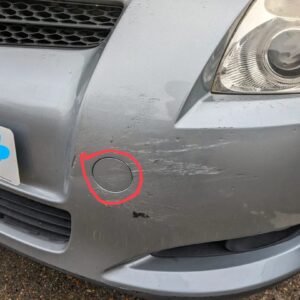
Why There’s a Small Panel on Your Car’s Bumper
Most drivers have noticed the small square or rectangular panel built into the front or rear bumper of a car. At first glance, it does not seem…

That Tiny Hole in a Safety Pin Has a Very Useful Purpose
Most people have used a safety pin at some point, but few stop to notice the tiny hole at one end. It may seem like an unimportant…

A Voice Full of Soul That Touched Everyone
When Ronee Martin stepped onto the stage of America’s Got Talent, she didn’t rely on flashy moments or big production. Instead, she delivered something far more powerful — pure emotion….