It’s one of those habits people rarely discuss openly: urinating in the shower. Some shrug it off as harmless, while others consider it unhygienic. From a medical perspective, urine from a healthy person is typically low in bacteria when it leaves the body, which means an occasional incident in a private shower is generally considered low risk. However, “low risk” doesn’t mean risk-free. Bathrooms are warm, damp environments where bacteria can thrive, and residue may linger in grout lines or drains. In shared or public showers, hygiene experts strongly discourage the practice due to the increased possibility of cross-contamination.
Beyond cleanliness, specialists also point to a behavioral concern. Repeatedly urinating while water is running may create a subconscious association between the sound of flowing water and the urge to go. Over time, this conditioning can contribute to bladder urgency, where everyday sounds like a faucet or rainfall trigger the need to urinate. For individuals prone to overactive bladder symptoms, reinforcing this connection could make bladder control more challenging.
There are also physiological considerations. For women in particular, standing to urinate may prevent complete bladder emptying, potentially placing strain on the pelvic floor over time. Additionally, the common belief that urine helps “clean” the shower is a misconception. Although urine contains ammonia compounds, it is far too diluted to disinfect surfaces. Instead, it can contribute to odor buildup if the shower is not regularly cleaned with proper household products.
Ultimately, while the occasional occurrence in a private setting may not pose serious health risks for a healthy adult, maintaining clear hygiene habits is generally advisable. Using the toilet reduces the chance of conditioning effects, lingering odors, and unnecessary exposure to bacteria — especially in shared spaces. Keeping washing and waste elimination separate remains the simplest and most sanitary approach for long-term comfort and household cleanliness.

Related Posts
Fox News host shares creepy speculation about Barron Trump’s sex life
Barron Trump has been rumored to have a girlfriend. While there has been no confirmation, lately, it was reported that he shut down an entire floor of…
This Boy Was Born With a Heart-Shaped Birthmark and Here is What He Looks Like Now…
Remember the baby with the heart-shaped red birthmark? Now that some time has passed, this adorable child has grown up! Has the unique mark faded, and what…
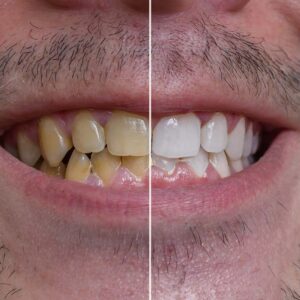
A Simple Method That May Help Reduce Yellow Stains and Plaque on Teeth
A bright smile is often associated with good oral hygiene and daily care. However, many people notice that over time their teeth can become yellow or develop…
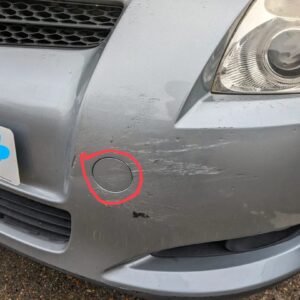
Why There’s a Small Panel on Your Car’s Bumper
Most drivers have noticed the small square or rectangular panel built into the front or rear bumper of a car. At first glance, it does not seem…

That Tiny Hole in a Safety Pin Has a Very Useful Purpose
Most people have used a safety pin at some point, but few stop to notice the tiny hole at one end. It may seem like an unimportant…

A Voice Full of Soul That Touched Everyone
When Ronee Martin stepped onto the stage of America’s Got Talent, she didn’t rely on flashy moments or big production. Instead, she delivered something far more powerful — pure emotion….