Significant changes to the Supplemental Nutrition Assistance Program (SNAP) are poised to reshape how food assistance is delivered nationwide. The reforms—introduced under legislation referred to as the One Big Beautiful Bill Act—represent one of the most wide-ranging updates to SNAP in decades. The package includes reductions in federal spending as well as tightened eligibility criteria, marking a major shift in how the program is structured and administered.
The Congressional Budget Office (CBO) estimates that once the new rules take full effect, an average of about 2.4 million people each month could be affected. One of the most notable adjustments is the expansion of work requirements. Under the updated guidelines, most adults ages 18 through 64 will be required to work at least 80 hours per month to continue receiving benefits beyond a limited time frame. While some exemptions remain—for example, for individuals with disabilities or parents caring for young children—others that previously offered flexibility have been removed.
Eliminated exemptions include those covering veterans, individuals experiencing homelessness, and young adults who recently aged out of foster care. States may still request waivers in regions with persistently high unemployment rates, though the criteria for doing so have become narrower. The legislation also includes changes to immigration eligibility, limiting participation primarily to U.S. citizens and lawful permanent residents. According to CBO projections, this shift could affect roughly 90,000 people per month who previously qualified under humanitarian or temporary protections.
Another notable provision pauses updates to the Thrifty Food Plan—the formula used to determine benefit levels—until 2027 as part of broader efforts to control program costs. Supporters of the reforms argue that the updates promote accountability and workforce engagement, while critics warn that the changes may place additional strain on households already struggling with food access. As implementation unfolds, public debate is expected to continue over how to balance cost control with the needs of vulnerable communities.

Related Posts
Expert shares insight into Melania Trump’s beauty routine
Considered one of the most beautiful women, Melania Trump’s beauty routine is something many are eager to get an insight into as questions about whether she has…
Fox News host shares creepy speculation about Barron Trump’s sex life
Barron Trump has been rumored to have a girlfriend. While there has been no confirmation, lately, it was reported that he shut down an entire floor of…
This Boy Was Born With a Heart-Shaped Birthmark and Here is What He Looks Like Now…
Remember the baby with the heart-shaped red birthmark? Now that some time has passed, this adorable child has grown up! Has the unique mark faded, and what…
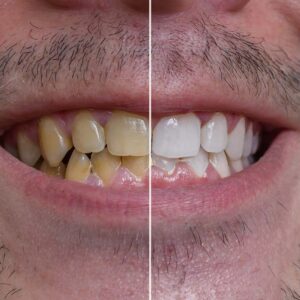
A Simple Method That May Help Reduce Yellow Stains and Plaque on Teeth
A bright smile is often associated with good oral hygiene and daily care. However, many people notice that over time their teeth can become yellow or develop…

Why There’s a Small Panel on Your Car’s Bumper
Most drivers have noticed the small square or rectangular panel built into the front or rear bumper of a car. At first glance, it does not seem…

That Tiny Hole in a Safety Pin Has a Very Useful Purpose
Most people have used a safety pin at some point, but few stop to notice the tiny hole at one end. It may seem like an unimportant…