A developing winter pattern is set to sweep across the Mid-Atlantic, delivering conditions that can be far more dangerous than they first appear. Unlike a classic snowstorm that blankets the landscape, freezing rain and light icy drizzle can quickly form an invisible layer over roads, sidewalks, and driveways. The result is a slick surface that may look harmless but can lead to sudden slips or loss of vehicle control. Residents across Maryland, Virginia, West Virginia, and Pennsylvania could also experience blustery winds paired with lingering cold air, creating an ideal setup for hard-to-detect ice.
Forecasters say inland communities and higher elevations are most likely to feel the strongest impact, as temperatures there may stay below freezing for longer stretches. Municipal teams are preparing for potential tree damage, scattered outages, and slower-than-usual travel — particularly during early mornings and late evenings when ice tends to develop rapidly. Although transportation crews plan to pretreat major highways, even a barely visible glaze can make stopping and steering far more difficult. Safety officials recommend reducing speed, increasing following distance, and reconsidering nonessential travel if conditions begin to deteriorate.
Across the region, local organizations are already weighing preventative measures to limit disruptions. Some school districts are exploring delayed openings or temporary remote learning, while airports remain attentive to changing forecasts. Meanwhile, emergency responders and utility workers are positioned to act quickly if issues arise. At home, a few simple preparations can make a meaningful difference: charge electronic devices, gather extra blankets, test flashlights, and bring in outdoor items that could be tossed about by gusty winds. Households that depend on electrically powered medical equipment should also confirm backup options ahead of time.
Relief is expected later in the week as temperatures gradually climb, but lingering icy patches may persist in shaded areas long after the main system passes. Until then, experts encourage everyone to move cautiously — whether behind the wheel or on foot — and assume that surfaces may be slick even if they appear dry. With a little planning and heightened awareness, communities can weather this bout of winter safely and look forward to more manageable conditions in the days ahead.

Related Posts

The Deadly Ingredient Hiding in Your Kitchen: Why That Bitter Taste Could Be a Fatal Warning
You may think you’re serving a healthy, home-cooked meal, but an unusually bitter taste could signal something more serious than bad seasoning. Food safety experts warn that…

Viewers Spot a Subtle Detail in Coca-Cola’s Iconic Logo
Some people have noticed that the second “C” in the Coca-Cola logo looks like a smile—and once you see it, it’s hard to ignore. The familiar red-and-white…

A Viral ICU Rescue Clip Wasn’t What It Seemed
A tense hospital video recently spread across social media, showing what appeared to be a nurse rushing to save an unconscious patient in an intensive care setting….

‘Most beautiful girl in the world’ Thylane Blondeau marries French DJ in fairytale Paris wedding
Thylane Blondeau was six when the world decided how she should look. Now 25, she has stepped into a new chapter—one defined on her own terms. Once…

I found this tiny white stick in my son’s room and was too embarrassed to ask him does anyone know what it is?
What I thought was a mysterious gadget turned out to be something surprisingly ordinary. After searching online and comparing photos, I discovered it wasn’t a vape, hidden…
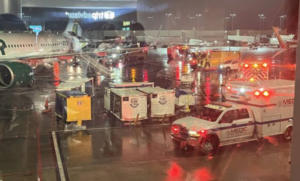
Charlotte Airport Faces Flight Delays Followin
Operations at Charlotte Douglas International Airport experienced temporary delays after a Frontier Airlines aircraft was involved in an unusual ground servicing incident before departure. Although the event…