The room fell silent inside the Royal Festival Hall as the BAFTAs ceremony unfolded. Cameras were rolling and presenters Michael B. Jordan and Delroy Lindo stood on stage when an unexpected outburst broke the moment. A racial slur was heard, instantly shifting the atmosphere from celebration to confusion and shock.
The voice came from Tourette’s campaigner John Davidson, whose involuntary vocal tics erupted during the live event. Within seconds, the incident moved beyond the room and across social media, where clips spread rapidly and reactions intensified.
What happened highlighted a painful collision of realities. Hearing a racial slur in a prestigious setting carries deep emotional weight, particularly for those historically harmed by such language. At the same time, Tourette syndrome can involve involuntary speech that occurs without intent or control.
As presenters attempted to continue, the ceremony paused. Host Alan Cumming addressed the audience, explaining that the language was linked to Tourette’s and not deliberate malice. The clarification aimed to provide context in a moment already charged with emotion.
The BBC later issued a statement apologizing for the offensive language broadcast during the ceremony. The broadcaster emphasized that some vocal tics can include uncontrollable words, a reality that complicates live television.
Online reaction was immediate and divided. Some viewers expressed understanding and called for compassion toward people living with Tourette’s. Others focused on the harm caused by the word itself, questioning how such moments should be handled publicly.
The incident raised a difficult question with no easy answer: how can society acknowledge the pain caused by harmful language while also recognizing disabilities that remove personal choice from speech? Balancing accountability, empathy, and awareness remains complex.
Ultimately, the BAFTAs moment became more than a disruption. It sparked a broader conversation about disability, broadcast responsibility, and public understanding — reminding audiences that context matters, and compassion is often essential when confronting uncomfortable realities.

Related Posts
RECORD Can You Trust Your Eyes? 15 Optical Illusions That’ll Trick Your Brain
Have you ever looked at a picture and found yourself blinking, squinting, or tilting your head, desperately trying to make sense of what you’re seeing? If you’ve…

Proven Health Benefits of Celery & Nutrition Facts
Celery is one of those vegetables people often overlook. It is crisp, refreshing, and very low in calories, but it still provides useful nutrients that can fit…

The Will Reading That Changed Everything
The week we buried my grandfather, I believed I was saying goodbye to the man who had given me a home, a future, and a reason to…
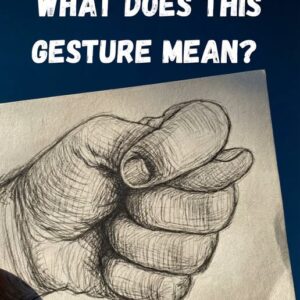
The Forgotten Hand Gesture That Once Said Everything Without Words
At first glance, it appears to be nothing more than a closed fist. But a second look reveals the real message: the thumb pressed firmly between the…

A Glamorous Oscars Night Keeps Film Fans Talking
Film lovers around the world turned their attention to Hollywood on March 15 as the 98th Academy Awards brought together many of the industry’s biggest names for…

How the Iran Conflict Shifted From Air Campaign to Regional Crisis
What began as a coordinated U.S.-Israeli air offensive against Iran has evolved into a far more volatile regional confrontation, reshaping both military calculations and political expectations. Early…