In a recent radio interview, Kelly Clarkson, the proud mother of eight-year-old River Rose and six-year-old Remy, openly expressed her views on child discipline, including the controversial topic of spanking. As parenting styles continue to evolve, this subject has triggered significant debate in recent times.
Clarkson, a well-known figure in the entertainment industry who was just honored with a star on the prestigious Hollywood Walk of Fame, has been unapologetic about including spanking as one of her parenting tools. She has consistently defended her stance, attributing it to her upbringing and cultural influences.
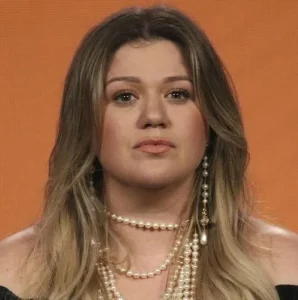
Clarkson’s declaration that she is “not above spanking” her children has garnered both support and skepticism in a society where beliefs about child-rearing vary greatly. “I don’t mean hitting her,” she clarified, emphasizing that her goal is not to cause harm but to use physical discipline in a controlled manner. “I just mean a little spanking,” she further explained.
However, there are critics of spanking. The American Academy of Pediatrics, a renowned organization focused on child health, unequivocally states that spanking is ineffective and potentially harmful to a child’s well-being. While the academy’s position is based on extensive research and expert consensus, many parents still believe in the traditional approach to discipline.
Clarkson’s support for spanking stems from her Southern background in Texas, a culturally diverse state. “I’m from the South, y’all, so we get spankings,” she remarked, highlighting the regional and cultural influences on her beliefs. She openly discussed her own childhood experiences, stating, “My parents spanked me, I turned out fine, and I feel fine about it.” According to her, spanking served as a tool for instilling values and character, and she believes it contributed to her well-rounded personality.
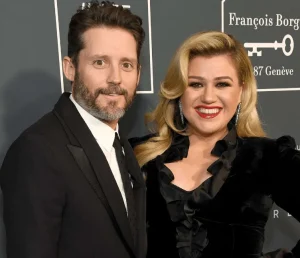
Despite understanding the challenges of disciplining children in public and facing judgment for her parenting approach, Clarkson remains firm in her belief that spanking is a valid form of discipline. “I have faith in spanking,” she asserted, “so you may see me spanking my child at the zoo.”
Clarkson’s method includes giving a warning to strike a balance between discipline and communication. “I’m like, ‘Hi, I’m going to spank you on your bottom if you don’t stop right now. This is ridiculous,’” she explained, highlighting the importance of open communication in the process. She argues that this approach has positively impacted the frequency of undesired behavior.
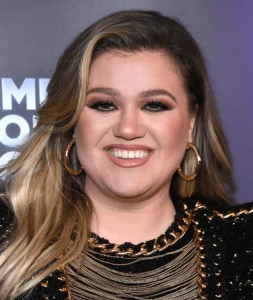
The controversy surrounding Kelly Clarkson’s perspective on child discipline reflects broader discussions about parenting styles and individual autonomy. While some may agree with her, others advocate for alternatives that prioritize non-physical strategies.

Related Posts
What Is Growing on My Head?
I didn’t realize how much power a tiny bump could hold until it started dictating my every waking thought. Each brush of my hair became a reminder…

Reagan-Appointed Judge Steps Down and Speaks Out on the Future of the Justice System
The resignation of longtime federal judge Mark L. Wolf has sparked discussion about the relationship between the judiciary, politics, and public trust in American institutions. Appointed to the federal…

Body Language Expert Analyzes Trump’s Tense Exchange During Television Interview
A recent interview between former President Donald Trump and journalist Kristen Welker has sparked discussion not only about the issues raised but also about the nonverbal communication…
Penny Lancaster’s Vacation Photos Spark Conversation About Confidence and Aging
Recent vacation photos of Penny Lancaster, wife of legendary singer Rod Stewart, have generated lively discussion online after she was photographed enjoying time with her family aboard…

Jesse Ridgway and Wife Share Emotional Story Following Prenatal Diagnosis
Few experiences carry as much anticipation as expecting a child. For many parents, pregnancy is a time of excitement, planning, and hopes for the future, but it…
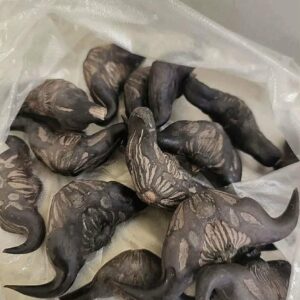
My neighbor gave me a bag of these.anyone know what they are? How do you eat them?
The knock comes, the bag lands on your porch, and suddenly you’re staring at a pile of mystery produce you never asked for. Maybe it’s zucchini, unfamiliar…