Last night’s BAFTAs ceremony was overshadowed by a controversial incident involving campaigner John Davidson, who has Tourette’s syndrome. During the live event, Davidson was heard shouting repeated outbursts while actors Michael B. Jordan and Delroy Lindo presented an award. A racial slur and other offensive phrases were broadcast despite a two-hour delay, prompting the BBC to issue a statement acknowledging the “strong and offensive language,” which they explained was linked to involuntary verbal tics associated with Tourette’s.
The edited version of the ceremony was later updated on BBC iPlayer. Davidson, who has publicly discussed living with Tourette’s, reportedly left during the second half of the event. Tourette’s syndrome can involve involuntary movements and vocal tics, and in some cases includes coprolalia — the uncontrollable utterance of inappropriate or offensive words.
Actor Jamie Foxx addressed the situation on social media, criticizing how it was handled. Similarly, Wendell Pierce expressed frustration, emphasizing that the focus should remain on those affected by the remarks, regardless of the medical explanation.
Meanwhile, Robert Aramayo, who portrayed Davidson in the film I Swear, called for greater understanding of Tourette’s. Speaking after his BAFTA win, Aramayo highlighted that tics are involuntary and urged compassion and awareness around the condition.
BAFTAs host Alan Cumming later explained to the audience that Tourette’s can manifest in this way. He apologized for any offense caused and stressed that such vocalizations are beyond the individual’s control.
The incident sparked a wider conversation about disability awareness, broadcast standards, and the complexities of involuntary speech conditions.
It also highlighted the challenges live events face when accommodating individuals with medical conditions while maintaining a public broadcast.
Ultimately, the BAFTAs episode underscored the need for empathy, understanding, and careful handling of situations where medical conditions intersect with public exposure.
Awareness, education, and compassion remain central to ensuring that such incidents are framed with context rather than judgment.

Related Posts
RECORD Can You Trust Your Eyes? 15 Optical Illusions That’ll Trick Your Brain
Have you ever looked at a picture and found yourself blinking, squinting, or tilting your head, desperately trying to make sense of what you’re seeing? If you’ve…

Proven Health Benefits of Celery & Nutrition Facts
Celery is one of those vegetables people often overlook. It is crisp, refreshing, and very low in calories, but it still provides useful nutrients that can fit…

The Will Reading That Changed Everything
The week we buried my grandfather, I believed I was saying goodbye to the man who had given me a home, a future, and a reason to…
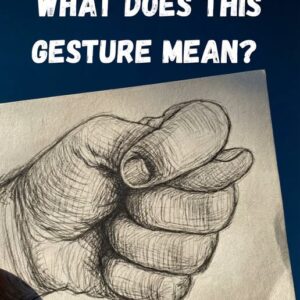
The Forgotten Hand Gesture That Once Said Everything Without Words
At first glance, it appears to be nothing more than a closed fist. But a second look reveals the real message: the thumb pressed firmly between the…

A Glamorous Oscars Night Keeps Film Fans Talking
Film lovers around the world turned their attention to Hollywood on March 15 as the 98th Academy Awards brought together many of the industry’s biggest names for…

How the Iran Conflict Shifted From Air Campaign to Regional Crisis
What began as a coordinated U.S.-Israeli air offensive against Iran has evolved into a far more volatile regional confrontation, reshaping both military calculations and political expectations. Early…