In a rare show of unity, the U.S. House of Representatives voted unanimously, 424–0, to approve the Prioritizing Veterans’ Survivors Act (H.R. 1228). The bill restores the Office of Survivors Assistance (OSA) within the Department of Veterans Affairs, a key program that supports families of fallen service members. The OSA helps guide surviving families through the often-complex benefits process, and this legislation ensures that its mission will be protected by law for years to come.
Led by Representative Juan Ciscomani of Arizona, the initiative has earned wide recognition from veterans’ groups and advocates. Supporters describe it as both practical and compassionate—an important step in reaffirming the nation’s dedication to those who have lost loved ones in military service. By formally defining the OSA’s responsibilities in federal law, Congress has created stronger safeguards to prevent future administrative changes that could disrupt its essential work.
During the discussion surrounding the bill, VA Secretary Doug Collins addressed questions about staffing and resources across the department. He clarified that there have been no staff reductions at the Veterans Crisis Line and that approximately $98 million will be redirected into programs designed to improve veterans’ care and support. Some voluntary retirements were offered as part of normal workforce adjustments, which he emphasized were not connected to any service cuts. His remarks helped reassure many veterans and families who had expressed concern about the department’s ongoing commitments.
In addition, the House passed another measure related to law enforcement and public safety. The Detain and Deport Illegal Aliens Who Assault Cops Act, which received bipartisan backing, aims to strengthen accountability for those who commit assaults against officers. Together, these legislative actions demonstrate Congress’s focus on both protecting veterans and ensuring safer communities, reflecting a continued effort to balance compassion, service, and security across the nation.

Related Posts
This one blood type has the lowest risk of heart attacks and blood clots
Credit: Shutterstock Your blood type might play a role in your risk for serious health issues, including heart attacks, blood clots, and even certain cancers. When it…

“10-80-10” survival principle that could determine whether you live or die in a nuclear attack
Shutterstock.com A nuclear war is something no one wants. However, in a worst-case scenario, the way you react in the first few seconds could mean the difference…

Woman claiming to be Donald Trump’s daughter shares explosive new DNA bombshell
Credit: Getty Images Does Donald Trump have another child? Well, a 55-year-old woman has filed a lawsuit claiming that Donald Trump could be her biological father, stating…
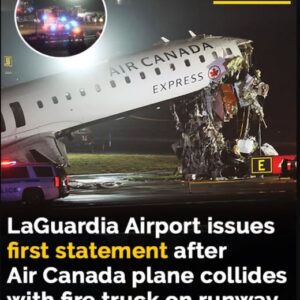
Seconds on the Runway: Tragedy and the Search for Answers
In the span of a few moments, what should have been a routine arrival from Montreal turned into a devastating collision on Runway 4 at LaGuardia Airport. An Air…
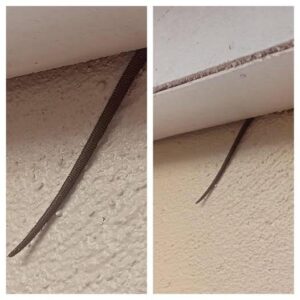
The Viral Ceiling Mystery That Turned Into a Real-Life Warning
What started as a strange, almost surreal snapshot quickly pulled people in. A dark, shifting shape peeking through a narrow gap in a ceiling sparked both curiosity…

Late-Night Collision at LaGuardia Raises Urgent Safety Questions
A routine arrival took a tragic turn late Sunday night when an Air Canada Express flight collided with a fire truck at LaGuardia Airport. What should have marked the end…