Black spots appearing in the corners of walls might seem minor at first—a smudge or speck of dirt—but over time they can spread, darken, and emit a musty odor. While it’s not cause for panic, these spots often signal a deeper moisture problem behind your walls. Acting quickly can prevent further damage and restore a healthier home environment.
Excess moisture is usually the main culprit. Poor air circulation in bathrooms, kitchens, or rarely aired bedrooms allows humidity to linger. When it meets cold wall surfaces, condensation forms, creating ideal conditions for mold growth. Leaks from gutters, roofs, or foundations, as well as poor insulation, can worsen the problem. Even furniture pressed directly against walls can block airflow, letting mold develop unseen.
Immediate action is key. Start by airing out the room daily—even ten minutes in winter can reduce humidity. Clean surface mold with white vinegar and warm water, or hydrogen peroxide for tougher spots. Be careful on stone or marble surfaces, as vinegar can cause damage.
Moving furniture a few inches from walls encourages airflow, while moisture absorbers or small dehumidifiers help in damp areas like bathrooms or laundry rooms.
Prevention matters once the area is cleaned. Proper ventilation, extractor fans, and monitoring indoor humidity with a hygrometer can keep levels between 40–60%. Anti-moisture paints add protection, but persistent dampness may require professional inspection for leaks or insulation problems.
If mold keeps returning, deeper issues could be at play—roof, gutter, or wall leaks, or rising damp. Specialized treatments and certified moisture experts can prevent bigger repairs. Renters should alert landlords immediately, as mold poses health risks.
Black spots might look small, but they often point to larger problems. Early attention, cleaning, and preventive measures can stop mold before it spreads. A bit of awareness and maintenance goes a long way in keeping your home safe, dry, and healthy.
One homeowner shared her confusion online, posting images of black specks along walls and floors, asking for advice after noticing them despite regular cleaning—showing how common and perplexing this issue can be.

Related Posts
Fox News host shares creepy speculation about Barron Trump’s sex life
Barron Trump has been rumored to have a girlfriend. While there has been no confirmation, lately, it was reported that he shut down an entire floor of…
This Boy Was Born With a Heart-Shaped Birthmark and Here is What He Looks Like Now…
Remember the baby with the heart-shaped red birthmark? Now that some time has passed, this adorable child has grown up! Has the unique mark faded, and what…
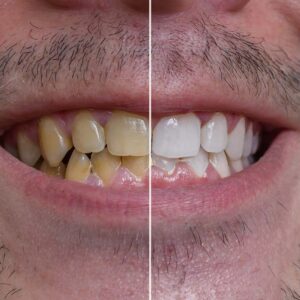
A Simple Method That May Help Reduce Yellow Stains and Plaque on Teeth
A bright smile is often associated with good oral hygiene and daily care. However, many people notice that over time their teeth can become yellow or develop…
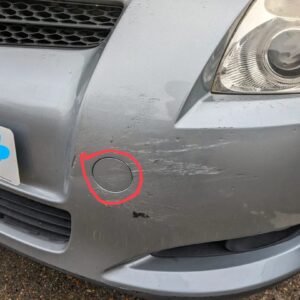
Why There’s a Small Panel on Your Car’s Bumper
Most drivers have noticed the small square or rectangular panel built into the front or rear bumper of a car. At first glance, it does not seem…

That Tiny Hole in a Safety Pin Has a Very Useful Purpose
Most people have used a safety pin at some point, but few stop to notice the tiny hole at one end. It may seem like an unimportant…

A Voice Full of Soul That Touched Everyone
When Ronee Martin stepped onto the stage of America’s Got Talent, she didn’t rely on flashy moments or big production. Instead, she delivered something far more powerful — pure emotion….