I grew up very poor. When I was 13, I was at a classmate’s house and ended up staying for dinner. Everyone at the table kept staring at me. The next day, I came home from school and was surprised to find my friend’s mom at our house. My mom’s face was flushed red. She turned to me and said, “We need to have a talk.”
I remember I had no idea what was going on. My friend’s mother, Ms. Allen, was standing by the window, looking worried and awkward at the same time. I was a shy kid, and I immediately felt that I must have done something wrong. I tried to recall if I had accidentally broken a plate or said something rude the night before.
My mom asked me to sit down. Then Ms. Allen started speaking in a quiet voice. She said, “I noticed how you reacted during dinner last night. At first, I didn’t understand why you wouldn’t look at anyone, but now I realize…you’re just not used to having enough to eat. You seemed hungry, but you also seemed embarrassed.”
For a moment, my ears rang and I could barely process her words. All I remembered was that they had passed around a basket of warm rolls, thick slices of meat, and a spread of vegetables. I had been so amazed by the meal that it was hard for me to focus on anything else. I must have stared at the dishes like they were something from another planet.
My mom cleared her throat and, still blushing, added, “Ms. Allen wants to help us in some way.”
My heart clenched. I didn’t want help. I was tired of handouts, tired of pity. I looked at Ms. Allen, and I noticed she seemed very sincere. She wasn’t looking at me like I was some poor stray dog. She looked…concerned, like she genuinely wanted to do something good. But my pride still stung.
She took a careful step toward me. “I wanted to know if you’d like to come over for dinner regularly. Maybe even help me cook sometimes. It doesn’t have to be anything official. But I saw the way you lit up, even for just that split second, when you tasted a proper meal. I know there’s not always enough at your own home.”
I felt a tightness in my chest that I couldn’t quite describe. Part of me felt relieved. Another part of me felt ashamed. And then there was a little spark of curiosity—cooking with Ms. Allen? That actually sounded fun, maybe even empowering.
I looked at my mom, who had tears in her eyes, though she tried to blink them away. “Only if you want to,” my mom said softly. “I can’t offer you that variety of food. But Ms. Allen is kind enough to invite you.”
I took a deep breath. Everything in my 13-year-old mind was swirling—fear of being judged, embarrassment, the warmth of Ms. Allen’s kindness. In the end, it was my hunger and my longing to learn something new that made me nod and say, “Okay. I’ll try.”

Related Posts
‘Young And The Restless’ actress dies at 66 after devastating diagnosis
Dee Freeman, a seasoned actress, writer, and U.S. Marine Corps veteran best known for her roles on Sistas andYoung And The Restless, has died at the age of 66….

Doctor explains physical changes you will be able to feel in ‘last hours and days of life’
People approaching the end of life often show a range of physical and emotional changes. These patterns vary, but many follow recognizable stages that develop gradually over…

Donald Trump Points to a Country That Could Be Next on the Global Stage
The words landed like a warning shot. In Miami, Donald Trump said “Cuba is next” before quickly telling the crowd to forget he had said it. The…
Wet, frozen dog tries to take shelter: Then woman’s actions are caught on camera and go viral
For all the homeless dogs trying to survive on the streets to stay warm and fed, there are those animal heroes that cannot pass them by. The…
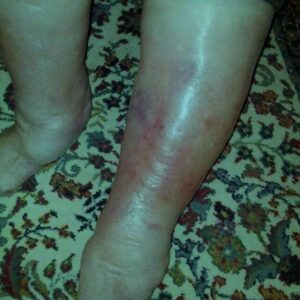
Why a simple skin blemish could be more dang:erous than you think
Erysipelas is a common but potentially serious bacterial skin infection that requires timely medical care. Although it usually responds well to antibiotics, recognizing the symptoms early is…

Big change to US draft rules could impact millions of young men
Automatic draft registration represents a major shift in how the United States approaches national defense and civic responsibility. For decades, the Selective Service System depended on young…