Chargers are part of everyday life, which is exactly why their risks are often overlooked. Behind that small adapter is a constant flow of electricity being converted and controlled. When you use certified, high-quality chargers, built-in safeguards help regulate voltage, current, and heat. Lower-quality or counterfeit products may lack these protections, increasing the chance of overheating, device damage, or even fire hazards.
To reduce risk, start by choosing the right equipment. Use original or certified chargers that meet recognized safety standards. Avoid products that feel unusually light, poorly made, or significantly cheaper than trusted brands. These small differences can indicate missing safety features that are essential for protecting both your devices and your home.
Cables and outlets are just as important as the charger itself. Damaged cords, loose connections, or overloaded power strips can create dangerous conditions. Make it a habit to inspect cables regularly, replace anything worn or exposed, and ensure plugs fit securely into outlets. Charging devices on hard, well-ventilated surfaces also helps prevent heat buildup.
In the end, electrical safety comes down to consistent, simple habits. Avoid using devices heavily while charging, unplug chargers when not in use, and stay alert to warning signs like excessive warmth or flickering outlets. These small, mindful choices can significantly reduce risk and help keep your home safe every day.

Related Posts

The Deadly Ingredient Hiding in Your Kitchen: Why That Bitter Taste Could Be a Fatal Warning
You may think you’re serving a healthy, home-cooked meal, but an unusually bitter taste could signal something more serious than bad seasoning. Food safety experts warn that…

Viewers Spot a Subtle Detail in Coca-Cola’s Iconic Logo
Some people have noticed that the second “C” in the Coca-Cola logo looks like a smile—and once you see it, it’s hard to ignore. The familiar red-and-white…

A Viral ICU Rescue Clip Wasn’t What It Seemed
A tense hospital video recently spread across social media, showing what appeared to be a nurse rushing to save an unconscious patient in an intensive care setting….

‘Most beautiful girl in the world’ Thylane Blondeau marries French DJ in fairytale Paris wedding
Thylane Blondeau was six when the world decided how she should look. Now 25, she has stepped into a new chapter—one defined on her own terms. Once…
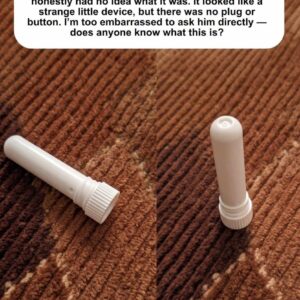
I found this tiny white stick in my son’s room and was too embarrassed to ask him does anyone know what it is?
What I thought was a mysterious gadget turned out to be something surprisingly ordinary. After searching online and comparing photos, I discovered it wasn’t a vape, hidden…

Charlotte Airport Faces Flight Delays Followin
Operations at Charlotte Douglas International Airport experienced temporary delays after a Frontier Airlines aircraft was involved in an unusual ground servicing incident before departure. Although the event…