If you’ve noticed two small indentations on your lower back—often called Venus dimples—you’re not alone. These markings are completely normal and appear where the skin is naturally anchored to ligaments connecting the pelvis and the spine. Present from birth in roughly 20–30% of people, they’re simply a genetic trait, much like freckles or curl patterns in hair. Their visibility can vary depending on muscle tone and body composition, but they occur across all shapes and sizes.
Because of their distinctive appearance, Venus dimples have sparked plenty of curiosity as well as misinformation. Over the years, social media and pop culture have attached symbolic meanings to them—from fertility myths to personality interpretations—but none of these claims are supported by science. What we do know is that they gained their name due to artistic traditions linking them to Venus, the Roman goddess of beauty, which added to their reputation as an attractive feature.
While Venus dimples are overwhelmingly harmless, it’s still useful to know what to watch for. A typical Venus dimple is shallow, centered, and sits just above the buttocks. In extremely rare cases, a sacral dimple can be associated with underlying spinal issues if it is unusually deep, off-center, or paired with symptoms such as discoloration, hair tufts, drainage, or neurological concerns. If you ever notice anything unusual, a medical professional can provide clarity and reassurance.
For most people, these dimples are nothing more than a natural part of their anatomy. They don’t determine your health, your attractiveness, or anything about your identity. Instead of looking for hidden meanings, consider them one of the countless variations that make human bodies unique. Appreciating these traits for what they are—normal, harmless, and entirely natural—creates a healthier and more compassionate way to view ourselves.

Related Posts
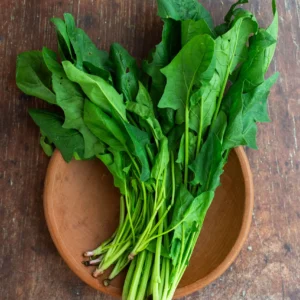
10 Powerful Benefits of Spinach You Need to Know
Spinach is one of the most nutritious leafy greens you can add to your diet. It is low in calories, easy to prepare, and packed with vitamins,…

One Clove of Garlic a Day May Help More Than You Think
Garlic has been used for centuries in kitchens and traditional wellness practices around the world. While many people know it for its strong flavor and aroma, garlic…

Steve Perry’s Lasting Power Goes Far Beyond the Spotlight
Steve Perry’s legacy is about much more than an extraordinary voice. As the lead singer of Journey, he brought a rare emotional openness to arena rock, giving…

How Nostalgia Turns a Restaurant Into a Story
You do not walk into that dining room as much as enter a mood that has been carefully designed to feel familiar. The worn floorboards, the candy…

The Photograph That Changed What the Town Remembered
Later, people would say Maria’s smile seemed gentle at first glance—almost reassuring—if you didn’t study it too closely. But the enhanced image told a different story. Her…

Why This Wheel of Fortune Episode Felt So Different
What played out on this episode of Wheel of Fortune felt refreshingly unlike the show’s usual rhythm. Instead of the familiar dynamic of polite introductions and quick exchanges between…