When you’re standing in front of the refrigerated case, it’s easy to let color guide your decision. One package of chicken looks pale and pink, another carries a richer yellow tone, and suddenly you’re wondering if one is healthier, fresher, or raised more carefully than the other. This reaction is natural—our brains rely on visual cues before we ever read a label. But when it comes to chicken, color is only a starting point, not the full story.
The first thing to know is that lighter-colored chicken usually reflects large-scale, efficiency-driven farming. These birds are raised indoors, grow quickly, and eat carefully controlled diets designed for consistency. Limited movement and feed low in natural pigments result in meat that looks paler. This doesn’t mean the chicken is unsafe or lacking nutrition—it simply reflects a system focused on affordability and uniform production rather than traditional growing methods.
Chicken with a deeper yellow hue often comes from birds fed diets containing natural pigments, such as corn or plants rich in carotenoids. More movement, outdoor access, and slower growth can all contribute to this warmer color. Many people associate it with firmer texture and fuller flavor, though color alone doesn’t guarantee how the bird was raised. Some producers even adjust feed specifically to enhance appearance, which is why relying solely on color can be misleading.
The most reliable way to choose chicken is by looking beyond appearance. Labels such as pasture-raised, organic, free-range, or Certified Humane provide clearer insight into diet, living conditions, and animal welfare. Freshness matters just as much—quality chicken should smell clean, feel firm, and avoid excessive liquid in the package. In the end, choosing chicken is about aligning budget, taste, and values. Color may catch your eye, but informed choices come from understanding what truly lies beneath the surface.

Related Posts

Smart Meat Shopping: Simple Ways to Choose Safer, Higher-Quality Products
Not all meat sold in stores is equal in freshness, handling, or overall quality, which is why shoppers benefit from paying closer attention before making a purchase….

How to Hold on to Humanity After Tragedy: Finding Meaning in the Aftermath
In the quiet that follows a sudden tragedy, people often hold on to the smallest details—a final message, a travel document, a familiar name—because these fragments feel…

Mom’s Early Alzheimer’s SymptomMom’s Early Alzheimer’s Symptom
At just 48, Rebecca Luna never expected to face a condition often linked to much older age. As a single mother managing work, family, and daily life, she was…

Melania Trump warns of ‘immediate consequences’ following leaked Barron Trump image
A recent incident involving Barron Trump has sparked controversy after unauthorized photos of him were reportedly taken and shared online. The situation prompted a strong response from Melania Trump, who…
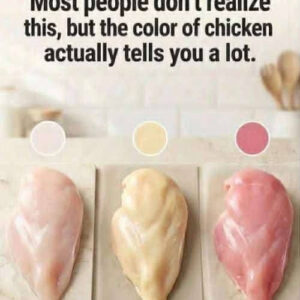
It’s surprising how unclear the link between chicken color and quality still is for many people
If you regularly eat chicken, you may have noticed that some pieces appear pale or slightly pink, while others have a deeper yellow tone. This difference often…

Study identifies possible connection to autism development
In recent years, scientists have increasingly explored the connection between gut microbiota and overall health. Research suggests that the bacteria living in our digestive system influence not…