How to Remove Stubborn Toilet Water Rings: Simple, Effective, and Science-Backed Solutions
Moving into a new home is always exciting—a fresh space, a new beginning, and endless opportunities to make each room feel like your own. But along with the excitement often comes a long list of cleaning tasks. One of the most frustrating issues many homeowners face is the stubborn toilet water ring. No matter how many cleaners you try, these brown or gray stains can seem impossible to remove.
Toilet water rings not only make your bathroom look less clean, but they can also create an unpleasant impression for guests. Fortunately, with the right knowledge and techniques, you can eliminate them effectively. This guide explains what causes toilet water rings, why common cleaners fail, and the most effective methods—from natural solutions to professional-grade techniques—to restore your toilet to a sparkling, stain-free finish.
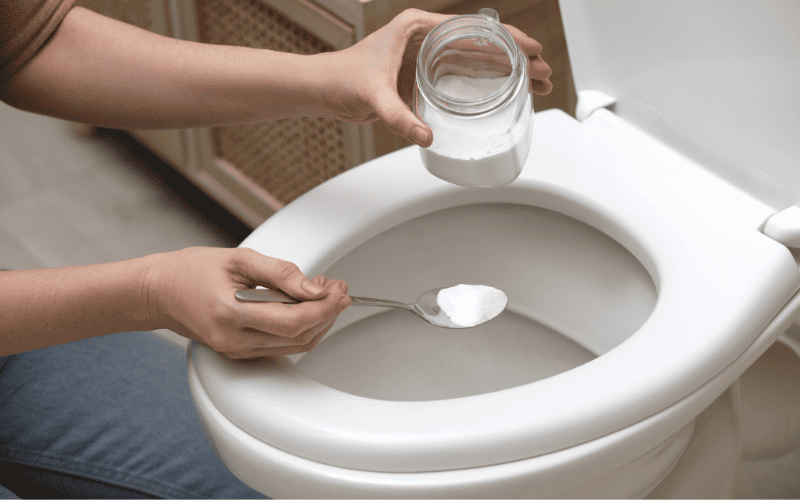
1. What Causes Toilet Water Rings?
Toilet water rings are typically the result of hard water minerals combined with bacteria growth.
-
Hard water contains high concentrations of calcium and magnesium, which cling to the porcelain and form a visible ring.
Trusted source: The U.S. Geological Survey (USGS) confirms that mineral deposits from hard water accumulate on fixtures over time. -
Bacteria in the toilet bowl can attach to these mineral layers, creating a biofilm, which gives the stain its persistent, dirty appearance.
The severity of the ring depends on:
-
local water hardness
-
frequency of toilet use
-
cleaning habits
-
how long the deposits have been allowed to build up
In areas with very hard water, mineral accumulation can occur rapidly, making quick maintenance essential.
2. Why Standard Toilet Cleaners Don’t Work Well
Most store-bought toilet cleaners are designed to kill bacteria, not dissolve mineral buildup. According to the Environmental Protection Agency (EPA), disinfectants target microbes but do not break down calcium or magnesium deposits.
Bleach-based cleaners may even make the appearance worse by whitening the bacteria but leaving the minerals intact. Always read labels carefully—some cleaners can damage porcelain if misused.
3. Vinegar and Baking Soda: A Natural Power Combo
Vinegar and baking soda are long-trusted household cleaning tools.
-
Vinegar: acidic, works by dissolving mineral deposits
-
Baking soda: mildly abrasive, helps lift stains
How to use:
-
Pour 1 cup of vinegar into the toilet bowl.
-
Add 1 cup of baking soda, then another 1–2 cups of vinegar.
-
Allow it to fizz for 10–15 minutes.
-
Scrub and flush.
This method is eco-friendly, inexpensive, and highly effective for mild to moderate stains.
4. Pumice Stone: Safe for Porcelain, Tough on Stains
A pumice stone is one of the most effective tools for removing mineral rings without scratching your toilet.
Instructions:
-
Wet the pumice stone first.
-
Gently scrub the mineral ring.
-
Rinse thoroughly.
Because pumice physically removes the buildup, it works even when chemical cleaners fail.
5. Borax: A Stronger Cleaning Agent
Borax, a mineral-based cleaner, is excellent for dealing with tough water rings.
Steps:
-
Sprinkle ¼ cup of borax around the bowl.
-
Let it sit 30 minutes (or overnight for stubborn stains).
-
Scrub and flush.
Borax softens mineral deposits and boosts cleaning power.
6. Use a Stiff-Bristled Toilet Brush
A sturdy toilet brush significantly improves scrubbing effectiveness. Hard bristles help remove biofilm and prevent new mineral deposits from forming.
Develop a routine of scrubbing your toilet 2–3 times per week to prevent future rings.
7. Coca-Cola: A Surprisingly Useful Cleaner
Thanks to its phosphoric acid, Coca-Cola can help dissolve mineral buildup.
Use it by pouring a full can into the bowl and allowing it to sit at least one hour. Scrub and flush afterward.
8. Commercial Descalers for Severe Buildup
If natural methods aren’t enough, commercial descalers are designed to break down hard water minerals quickly. They often contain strong acids, so safety is essential.
Safety tips:
-
Wear gloves
-
Ensure ventilation
-
Follow the manufacturer’s instructions carefully
These products are especially helpful in very hard-water regions.
9. Natural Enzyme Cleaners: Eco-Friendly and Effective
Enzyme cleaners use natural enzymes to break down bacteria and organic buildup. They’re a great green alternative to chemical cleaners.
Apply the cleaner, wait 15–30 minutes, scrub, and flush. Regular use helps prevent odors and buildup.
10. Regular Maintenance Prevents Future Rings
Toilet water rings return quickly in homes with hard water. Establishing a routine helps prevent stains from forming:
-
Clean weekly with vinegar, baking soda, or mild toilet cleaner
-
Scrub the waterline area frequently
-
Check for signs of mineral buildup before stains develop
The CDC also recommends regular cleaning of bathroom surfaces to reduce bacterial growth.
11. When You Should Call a Professional
If none of the methods above work, a professional cleaner or plumber may be needed. Professionals have specialized tools and acid-based descalers not available to consumers.
They can also check for underlying plumbing issues—such as mineral-heavy water flow or tank problems—that may be causing repeated stains.

Related Posts
My grandma has these hard bumps forming on her finger joints near the nails. Why is this spreading?
As people age, the body naturally changes, and some of these changes can feel unexpected or even concerning. One common issue is the appearance of hard bumps…

Mother puts both daughters inside the fir… See more.
The peaceful, sunlit parks of Cedar Falls were meant to be a safe and relaxing place for Emma and her two young daughters. That Tuesday afternoon felt…

Car Damage Truth…
When I saw the scratch across my brand-new car, my heart sank. It wasn’t small. It wasn’t something I could ignore. And when I found out my…

The Hidden Hero of Your Seat Belt: What Is That Little Round Button — And Why It’s Essential
You click your seat belt every day without a second thought. One motion, a quick pull, and you’re ready to drive, trusting a system designed to protect…
20 Minutes ago in Arizona, Savannah Guthrie was confirmed as…
What unfolded in Arizona was not a health scare, scandal, or sudden departure, but a pivotal professional step that redefines Savannah Guthrie’s role in an industry she’s…

Remembering Jane Lapotaire: A Life of Strength, Craft, and Lasting Impact
Jane Lapotaire built a reputation as an actress who could bring depth and authenticity to every role she touched. Audiences and critics alike valued her ability to…