Rescue Your Wilted Lettuce with This Hot Water Trick
You open the fridge craving a crisp salad—but your lettuce looks limp and lifeless. It’s tempting to toss it,
but wait! There’s a simple hot water trick that can bring those greens back to life.
Why Lettuce Wilts
Lettuce wilts when it loses moisture. Think of it as a tiny water balloon—once the water escapes, the leaves collapse.
Common reasons include:
Poor storage (like leaving it unsealed)
Natural aging
Temperature changes (from cold fridge to warm counter)
The good news? Wilted lettuce isn’t a lost cause. It just needs hydration—and a little heat.
The Hot Water Fix That Works
It sounds strange, but hot water revives wilted lettuce better than cold. Here’s how to do it:
Step-by-Step:
Heat water to about 120°F–130°F (warm but not boiling).
Soak the wilted lettuce for 30 seconds to 1 minute.
Transfer it to an ice bath for 2–3 minutes.
Pat dry and refrigerate for 15–30 minutes.
Result? Crisp, refreshed lettuce—ready for your salad bowl.
Why This Works
This method isn’t a myth. Heat loosens the lettuce’s cell walls, allowing them to absorb water faster.
The cold bath then locks that moisture in. It’s simple science—and it works on other veggies too, like carrots, herbs, and asparagus.
How to Keep Lettuce Fresh Longer
1. Store It Right
Wash your greens properly. Keep them slightly damp—not soaking—and store in an airtight container with a paper towel to absorb excess moisture.
2. Choose Smart Storage Tools
Produce keepers or containers with vents help control humidity. With the right setup, your lettuce can stay fresh for weeks.
3. Know Your Lettuce
Iceberg holds up longer than romaine due to its lower water content. Tailor your storage method to the lettuce variety.
What About Pre-Washed Lettuce?
Even if it says “triple-washed,” it’s still smart to rinse it again. Contaminated greens have caused foodborne illness outbreaks in the past. A quick wash offers peace of mind.
Are Rusty Lettuce Spots Safe?
Brown or reddish spots on lettuce aren’t harmful—they’re caused by oxidation or bruising. While they don’t taste great and signal aging, they won’t make you sick.
Final Thoughts
Before tossing out droopy lettuce, try this hot water trick. It’s fast, effective, and saves money. Plus, it helps reduce food waste—a win for your wallet and the planet.
Remember:
Store lettuce properly
Adjust for lettuce type
Wash pre-washed greens
Don’t fear a few spots
With these tips, your salads will stay fresher, longer. Now go enjoy that crunch!

Related Posts

The Deadly Ingredient Hiding in Your Kitchen: Why That Bitter Taste Could Be a Fatal Warning
You may think you’re serving a healthy, home-cooked meal, but an unusually bitter taste could signal something more serious than bad seasoning. Food safety experts warn that…

Viewers Spot a Subtle Detail in Coca-Cola’s Iconic Logo
Some people have noticed that the second “C” in the Coca-Cola logo looks like a smile—and once you see it, it’s hard to ignore. The familiar red-and-white…

A Viral ICU Rescue Clip Wasn’t What It Seemed
A tense hospital video recently spread across social media, showing what appeared to be a nurse rushing to save an unconscious patient in an intensive care setting….

‘Most beautiful girl in the world’ Thylane Blondeau marries French DJ in fairytale Paris wedding
Thylane Blondeau was six when the world decided how she should look. Now 25, she has stepped into a new chapter—one defined on her own terms. Once…
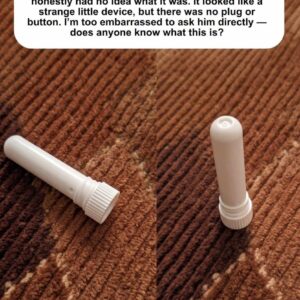
I found this tiny white stick in my son’s room and was too embarrassed to ask him does anyone know what it is?
What I thought was a mysterious gadget turned out to be something surprisingly ordinary. After searching online and comparing photos, I discovered it wasn’t a vape, hidden…

Charlotte Airport Faces Flight Delays Followin
Operations at Charlotte Douglas International Airport experienced temporary delays after a Frontier Airlines aircraft was involved in an unusual ground servicing incident before departure. Although the event…