Bagworms, also known as case-bearing moth larvae, are small insects that often go unnoticed because of their natural camouflage. They create tiny protective cases from dust, fibers, and debris, allowing them to blend easily into indoor spaces. While they are not harmful to people, their presence indoors can feel unpleasant and may indicate excess dust, humidity, or poor airflow. Understanding where they hide is an important step in preventing them from spreading.
A common place to find bagworms is along walls and ceiling corners. These high, hard-to-reach areas are frequently missed during routine cleaning and tend to collect dust and cobwebs. Bagworms use these materials to build and reinforce their cases, attaching themselves to surfaces where they can remain undisturbed.
They often appear as small gray or brown tube-shaped specks stuck to walls. Because they resemble lint or debris, many people overlook them. Careful inspection of corners and vertical surfaces can help identify them early before numbers increase.
Bedrooms are another frequent hiding spot. These rooms contain fabrics, carpets, and soft furnishings that shed fibers, providing ideal materials for bagworms. Quiet areas that are rarely disturbed allow them to remain unnoticed for long periods.
You may find them behind beds, around headboards, along baseboards, or near furniture that is rarely moved. Accumulated dust and fibers in these areas make the environment more attractive for them to settle.
Closets and storage spaces can also harbor bagworms. Clothing, linens, and stored textiles create a steady supply of fibers, especially when spaces lack airflow or regular cleaning.
Reducing indoor bagworms starts with consistent cleaning. Vacuum carpets, wipe surfaces, and pay special attention to high corners, baseboards, and hidden spaces behind furniture. Washing bedding and cleaning fabrics regularly removes the materials they rely on.
Improving ventilation and lowering humidity can make your home less appealing to bagworms. Using fans, opening windows, or running a dehumidifier helps keep spaces dry. When surfaces stay clean and airflow improves, bagworms are far less likely to establish themselves indoors.

Related Posts
Shaquille O’Neal’s Health and Wellness Updates
Shaquille O’Neal is widely recognized for his dominant basketball career, but his approach to health has also played an important role in his life over time. He…
Expert shares insight into Melania Trump’s beauty routine
Considered one of the most beautiful women, Melania Trump’s beauty routine is something many are eager to get an insight into as questions about whether she has…
Fox News host shares creepy speculation about Barron Trump’s sex life
Barron Trump has been rumored to have a girlfriend. While there has been no confirmation, lately, it was reported that he shut down an entire floor of…
This Boy Was Born With a Heart-Shaped Birthmark and Here is What He Looks Like Now…
Remember the baby with the heart-shaped red birthmark? Now that some time has passed, this adorable child has grown up! Has the unique mark faded, and what…
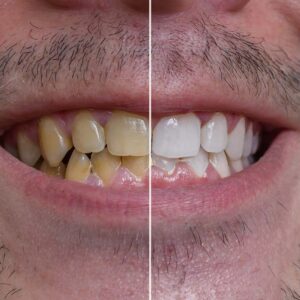
A Simple Method That May Help Reduce Yellow Stains and Plaque on Teeth
A bright smile is often associated with good oral hygiene and daily care. However, many people notice that over time their teeth can become yellow or develop…

Why There’s a Small Panel on Your Car’s Bumper
Most drivers have noticed the small square or rectangular panel built into the front or rear bumper of a car. At first glance, it does not seem…