Harvey Weinstein now describes life at Rikers Island as a grim cycle of confinement, fear, and physical vulnerability, portraying himself as an isolated inmate surrounded by suspicion and danger. Recent reporting has noted his chronic myeloid leukemia diagnosis and broader health problems, along with his efforts to seek different housing and medical accommodation while in custody. Those claims add another layer to a public story that has shifted from Hollywood power to prison survival, but they do not erase the larger reality that brought him there.
Beyond the walls of Rikers, Weinstein’s name remains tied to the women whose allegations helped ignite a global reckoning over abuse, coercion, and unchecked influence. The accusations against him became central to the #MeToo movement, forcing institutions and audiences alike to confront how power could be used to silence, intimidate, and exploit. Even after New York’s highest court overturned his 2020 conviction and ordered a retrial, the cultural meaning of the case did not disappear.
The legal story has also continued to evolve. In 2025, a Manhattan jury in Weinstein’s retrial found him guilty on one felony sex-crime count, acquitted him on another, and deadlocked on a third charge that ended in mistrial. He also remains under a separate 16-year California sentence, which means his legal exposure extends far beyond a single courtroom outcome. Those developments matter because they frame his prison complaints in the context of an ongoing accountability process, not as a stand-alone tale of hardship.
That is why public reaction remains so divided. Weinstein may speak of illness, isolation, and fear, but many people remember the testimonies, the convictions, and the decades of alleged predation that reshaped how abuse by powerful men is understood. His current suffering is real only insofar as prison suffering is real for anyone in custody, yet for many observers, it is impossible to view that suffering apart from the far greater harm described by his accusers. In that tension lies the true weight of his story: not the downfall of a celebrity, but the long aftermath of power used without conscience.

Related Posts
This Boy Was Born With a Heart-Shaped Birthmark and Here is What He Looks Like Now…
Remember the baby with the heart-shaped red birthmark? Now that some time has passed, this adorable child has grown up! Has the unique mark faded, and what…
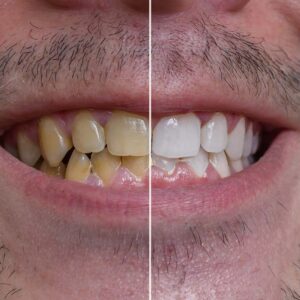
A Simple Method That May Help Reduce Yellow Stains and Plaque on Teeth
A bright smile is often associated with good oral hygiene and daily care. However, many people notice that over time their teeth can become yellow or develop…

Why There’s a Small Panel on Your Car’s Bumper
Most drivers have noticed the small square or rectangular panel built into the front or rear bumper of a car. At first glance, it does not seem…

That Tiny Hole in a Safety Pin Has a Very Useful Purpose
Most people have used a safety pin at some point, but few stop to notice the tiny hole at one end. It may seem like an unimportant…

A Voice Full of Soul That Touched Everyone
When Ronee Martin stepped onto the stage of America’s Got Talent, she didn’t rely on flashy moments or big production. Instead, she delivered something far more powerful — pure emotion….

A Voice That Silenced the Entire Room
When Chris Kläfford stepped onto the stage of America’s Got Talent, no one expected what was about to happen. With a simple presence and no theatrics, he began to sing…