It’s easy to confuse green onions, scallions, spring onions, and chives when they’re sitting side by side in the produce aisle. They share a similar color palette and slender shape, but each brings a slightly different flavor and texture to the kitchen. Understanding these differences helps you choose the right one for your recipe — and ensures you get the best taste without second-guessing your ingredients.
Green onions and scallions are actually the same vegetable. They are harvested early, before a full bulb develops, which is why they have a narrow white base and long, hollow green stalks. Their flavor is fresh, mild, and lightly sweet. Both parts are edible: the white portion offers a sharper bite, while the green tops are softer and more delicate. They work beautifully in salads, salsas, scrambled eggs, soups, and quick stir-fries.
Spring onions, on the other hand, are slightly more mature. They feature a small rounded bulb at the bottom, giving them a fuller onion taste — still mild, but closer to traditional onions. The bulb can be grilled, roasted, or sautéed for added depth, while the greens can be chopped and used as a garnish. Their versatility makes them a great choice when you want more flavor without overpowering a dish.
Chives are a different category altogether. Technically an herb, chives have very thin, solid, grass-like stems and no bulb. Their flavor is gentle and subtle, making them ideal as a finishing touch rather than a cooked ingredient. Sprinkle fresh chives over soups, baked potatoes, dips, or eggs when you want a soft onion note that enhances rather than dominates the dish. Knowing these distinctions makes everyday cooking simpler — and far more flavorful.

Related Posts
Shaquille O’Neal’s Health and Wellness Updates
Shaquille O’Neal is widely recognized for his dominant basketball career, but his approach to health has also played an important role in his life over time. He…
Expert shares insight into Melania Trump’s beauty routine
Considered one of the most beautiful women, Melania Trump’s beauty routine is something many are eager to get an insight into as questions about whether she has…
Fox News host shares creepy speculation about Barron Trump’s sex life
Barron Trump has been rumored to have a girlfriend. While there has been no confirmation, lately, it was reported that he shut down an entire floor of…
This Boy Was Born With a Heart-Shaped Birthmark and Here is What He Looks Like Now…
Remember the baby with the heart-shaped red birthmark? Now that some time has passed, this adorable child has grown up! Has the unique mark faded, and what…
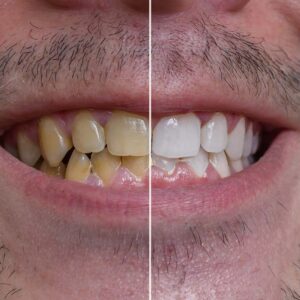
A Simple Method That May Help Reduce Yellow Stains and Plaque on Teeth
A bright smile is often associated with good oral hygiene and daily care. However, many people notice that over time their teeth can become yellow or develop…
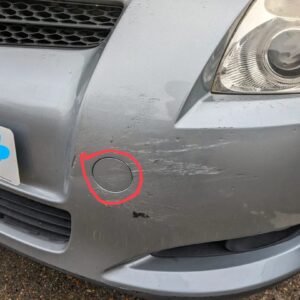
Why There’s a Small Panel on Your Car’s Bumper
Most drivers have noticed the small square or rectangular panel built into the front or rear bumper of a car. At first glance, it does not seem…