This controversial proposal is the latest crackdown on immigration by the Trump administration
Anyone who travel to the United States could be asked to follow a strict rule before entering the country.
Tourists who are keen on visiting the Big Apple, driving over the Golden Gate Bridge or seeing the Lincoln Memorial may have to think twice because they are set to have their social media histories checked at border control, if the latest Trump administration mandate is enforced.
The proposed social media screening would apply to those who are eligible to visit the US for 90 days without a visa, including us Brits.
Now, any tourists hailing from Old Blighty don’t actually need a visa to travel to the States and instead can complete an Electronic System for Travel Authorisations (ESTA).

As per the Federal Register notice, it would be mandatory for all foreign tourists to provide data from their social media accounts from the past five years.
This would include phone numbers and email addresses.
On top of that, names, numbers, addresses, and birthdays of family members would also be included in the compulsory information passed to the nation’s border force.
In addition, Customs and Border Protection (CBP) has also proposed that moving forward, ESTA applications would require a selfie with the aim of collecting biometrics, including face, fingerprints, DNA and iris data.
The controversial proposal, which the public has 60 days to comment on, is the latest crackdown on immigration by the Trump administration.
Last month, the 79-year-old Republican shocked the world once again after he shared his plans to ban ‘fat foreigners’ from receiving a US visa.
Visa officers have been instructed to turn away immigrants who are obese or suffer from specific health conditions, with a memo sent out on 6 November from the State Department to embassies and consulates worldwide, revealing that visa applicants to the United States may face rejection if they have particular medical conditions, based on concerns they might burden domestic healthcare resources.
“You must consider an applicant’s health,” the memo read. “Certain medical conditions — including, but not limited to, cardiovascular diseases, respiratory diseases, cancers, diabetes, metabolic diseases, neurological diseases, and mental health conditions — can require hundreds of thousands of dollars’ worth of care.”
Then the directive specifically mentions obesity, noting its links to asthma, sleep apnea, and hypertension.
“All of these can require expensive, long-term care,” it continues. “Does the applicant have adequate financial resources to cover the costs of such care over his entire expected lifespan without seeking public cash assistance or long-term institutionalisation at government expense?”

Related Posts
Expert shares insight into Melania Trump’s beauty routine
Considered one of the most beautiful women, Melania Trump’s beauty routine is something many are eager to get an insight into as questions about whether she has…
Fox News host shares creepy speculation about Barron Trump’s sex life
Barron Trump has been rumored to have a girlfriend. While there has been no confirmation, lately, it was reported that he shut down an entire floor of…
This Boy Was Born With a Heart-Shaped Birthmark and Here is What He Looks Like Now…
Remember the baby with the heart-shaped red birthmark? Now that some time has passed, this adorable child has grown up! Has the unique mark faded, and what…
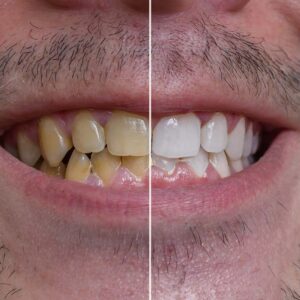
A Simple Method That May Help Reduce Yellow Stains and Plaque on Teeth
A bright smile is often associated with good oral hygiene and daily care. However, many people notice that over time their teeth can become yellow or develop…
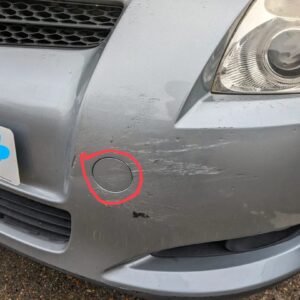
Why There’s a Small Panel on Your Car’s Bumper
Most drivers have noticed the small square or rectangular panel built into the front or rear bumper of a car. At first glance, it does not seem…
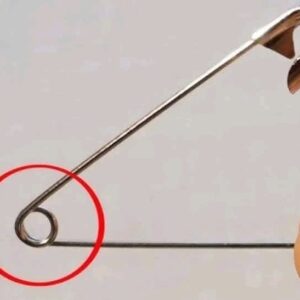
That Tiny Hole in a Safety Pin Has a Very Useful Purpose
Most people have used a safety pin at some point, but few stop to notice the tiny hole at one end. It may seem like an unimportant…