A thimble may be tiny, but it plays a powerful role in hand sewing. Designed to shield your finger while pushing a needle through fabric, this compact tool is typically worn on the middle finger or sometimes the thumb. It helps prevent painful pricks and makes it easier to apply steady pressure—especially when working with thick fabrics or multiple layers. By adding protection and control, a thimble allows stitches to glide through material more smoothly and safely.
Available in a wide range of sizes and styles, thimbles can be both practical and decorative. Some feature simple, smooth finishes, while others include textured dimples or ridges to help grip the needle securely. Historically, early versions were often crafted from leather, but modern thimbles are most commonly made of metal. Plastic and resin options are also popular today, offering lightweight and affordable alternatives. Interestingly, the term “thimble” is thought to have evolved from “thumb-bell,” a nod to early designs that were worn on the thumb.
The history of the thimble stretches back thousands of years, reflecting its lasting importance in daily life. Archaeological discoveries show that ancient civilizations, including those in China and the Roman Empire, created thimbles from materials such as bone, bronze, and ivory. By the 16th and 17th centuries in Europe, thimbles had become more refined and were sometimes fashioned from silver or gold. These elegant versions were treasured possessions, occasionally passed down through generations as keepsakes.
Today, several types of thimbles cater to different sewing needs. Closed-top thimbles provide full fingertip protection and are ideal for general stitching. Open-top versions offer greater flexibility and accommodate longer nails. Soft leather thimbles deliver comfort for extended projects, while adjustable ring thimbles are especially favored by quilters. No matter the material or design, the purpose remains unchanged: to make sewing safer, easier, and more precise with every stitch.

Related Posts

The Deadly Ingredient Hiding in Your Kitchen: Why That Bitter Taste Could Be a Fatal Warning
You may think you’re serving a healthy, home-cooked meal, but an unusually bitter taste could signal something more serious than bad seasoning. Food safety experts warn that…

Viewers Spot a Subtle Detail in Coca-Cola’s Iconic Logo
Some people have noticed that the second “C” in the Coca-Cola logo looks like a smile—and once you see it, it’s hard to ignore. The familiar red-and-white…

A Viral ICU Rescue Clip Wasn’t What It Seemed
A tense hospital video recently spread across social media, showing what appeared to be a nurse rushing to save an unconscious patient in an intensive care setting….

‘Most beautiful girl in the world’ Thylane Blondeau marries French DJ in fairytale Paris wedding
Thylane Blondeau was six when the world decided how she should look. Now 25, she has stepped into a new chapter—one defined on her own terms. Once…
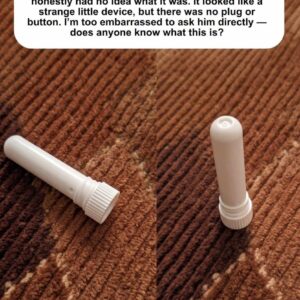
I found this tiny white stick in my son’s room and was too embarrassed to ask him does anyone know what it is?
What I thought was a mysterious gadget turned out to be something surprisingly ordinary. After searching online and comparing photos, I discovered it wasn’t a vape, hidden…

Charlotte Airport Faces Flight Delays Followin
Operations at Charlotte Douglas International Airport experienced temporary delays after a Frontier Airlines aircraft was involved in an unusual ground servicing incident before departure. Although the event…