In modern life, chargers have quietly become essential companions, powering everything from smartphones and laptops to wireless earbuds and wearable devices. What once felt occasional is now constant—devices are plugged in at home, at work, in cars, and almost everywhere in between. Yet despite how routine charging has become, many people underestimate the risks involved. The simple act of plugging in a device hides a complex electrical process, and small everyday habits can lead to serious consequences if ignored.
One of the biggest risks comes from low-quality or counterfeit chargers. These are often cheaper and widely available, but they lack the internal safety systems found in certified products. Proper chargers regulate voltage, control current, and monitor temperature to prevent overheating. Cheap alternatives may deliver unstable power, which can damage batteries over time, cause swelling, or even lead to fires. Because counterfeit chargers often look nearly identical to trusted brands, many people unknowingly put themselves at risk. Choosing certified chargers from reputable manufacturers is one of the most important steps toward safety.
Cables also play a crucial role. Even high-quality chargers can become dangerous if the cable is worn out. Frayed wires, cracked insulation, or loose connections increase the chance of electrical shorts, sparks, or inconsistent charging. Many people continue using damaged cables because the issue seems minor, but these small flaws can quickly escalate into serious hazards. Regularly checking and replacing worn cables is a simple yet effective safety habit.
Charging behavior matters just as much. Leaving devices plugged in overnight, charging them on soft surfaces like beds, or using them heavily while charging can trap heat and strain the battery. Over time, this can reduce battery life and increase the risk of overheating. Charging on flat, well-ventilated surfaces and avoiding unnecessary use during charging helps maintain both safety and performance.
Electrical outlets should not be overlooked either. Overloading sockets with multiple devices or using poor-quality adapters can strain wiring and create fire risks. Signs like heat, flickering, or loose plugs should always be taken seriously. Surge protectors and proper maintenance can help prevent these issues.
Ultimately, charger safety comes down to awareness and consistent habits. Using reliable equipment, replacing damaged parts, and charging devices responsibly can significantly reduce risks. Small choices made daily can protect not only your devices but also your home and personal safety.

Related Posts

The Deadly Ingredient Hiding in Your Kitchen: Why That Bitter Taste Could Be a Fatal Warning
You may think you’re serving a healthy, home-cooked meal, but an unusually bitter taste could signal something more serious than bad seasoning. Food safety experts warn that…

Viewers Spot a Subtle Detail in Coca-Cola’s Iconic Logo
Some people have noticed that the second “C” in the Coca-Cola logo looks like a smile—and once you see it, it’s hard to ignore. The familiar red-and-white…

A Viral ICU Rescue Clip Wasn’t What It Seemed
A tense hospital video recently spread across social media, showing what appeared to be a nurse rushing to save an unconscious patient in an intensive care setting….

‘Most beautiful girl in the world’ Thylane Blondeau marries French DJ in fairytale Paris wedding
Thylane Blondeau was six when the world decided how she should look. Now 25, she has stepped into a new chapter—one defined on her own terms. Once…
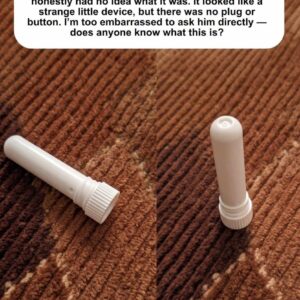
I found this tiny white stick in my son’s room and was too embarrassed to ask him does anyone know what it is?
What I thought was a mysterious gadget turned out to be something surprisingly ordinary. After searching online and comparing photos, I discovered it wasn’t a vape, hidden…
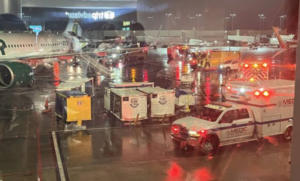
Charlotte Airport Faces Flight Delays Followin
Operations at Charlotte Douglas International Airport experienced temporary delays after a Frontier Airlines aircraft was involved in an unusual ground servicing incident before departure. Although the event…