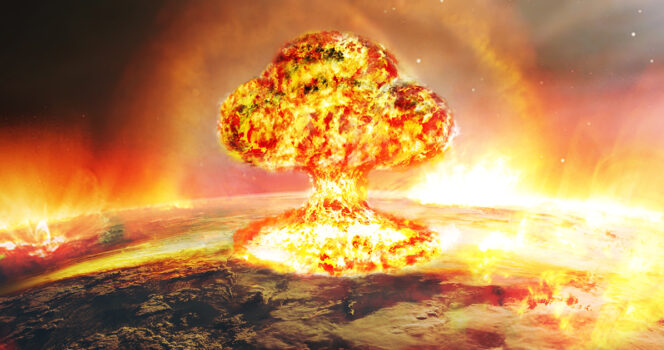
A nuclear war is something no one wants. However, in a worst-case scenario, the way you react in the first few seconds could mean the difference between life and death. Experts often refer to the so-called “10-80-10 survival principle.” Here’s all you need to know.
The principle was brought forward by John Leach, often called a pioneer in the study of survival psychology. As explained in an article in Psychology Today, according to the rule, about 10 percent of people can stay calm and take action when something catastrophic happens.
These are the people who accept that the crisis is really happening and don’t try to deny it. Because of that, they are more prepared for what’s coming. These people stay calm, keep their feelings in check, and take a moment to understand the situation before acting.
In a nuclear emergency, that kind of reaction could be crucial, as survival guides stress that the first minutes after a blast are the most important. Getting inside a strong building or underground can dramatically reduce radiation exposure.
The theory claims that the majority — about 80 percent of people — become confused or unable to react when disaster strikes.
They will likely be calm and wait for instructions, or assume someone else will tell them what to do. The survival principle explains that this group will often be in shock and will wait for others to give them instructions.
“10-80-10” survival principle in a nuclear attack
Psychologists say this kind of reaction is common when the brain isn’t prepared for something. In sudden disasters, hesitation can waste precious seconds that could save your life.
So what about the last group, the other 10 percent? Well, they will panic, and their reaction could make the situation even more dangerous. Instead of thinking clearly, they may run in the wrong direction, ignore warnings, or put themselves and others at risk.
The principle describes this group as people who may panic and put themselves or others into greater danger. In a situation involving nuclear weapons, panic could mean failing to find shelter in time or making decisions that increase exposure to radiation.
So would this really matter in the case of nuclear war? Some survival experts say the rule isn’t an exact science, but it highlights an important truth: in a real crisis, staying calm is key and can be more important than being strong or fast.
The 10-80-10 rule may sound simple, but in a real disaster, it could make the difference between life and death.
What do you think about this? Please share your thoughts in the comment section.

Related Posts

The Deadly Ingredient Hiding in Your Kitchen: Why That Bitter Taste Could Be a Fatal Warning
You may think you’re serving a healthy, home-cooked meal, but an unusually bitter taste could signal something more serious than bad seasoning. Food safety experts warn that…

Viewers Spot a Subtle Detail in Coca-Cola’s Iconic Logo
Some people have noticed that the second “C” in the Coca-Cola logo looks like a smile—and once you see it, it’s hard to ignore. The familiar red-and-white…

A Viral ICU Rescue Clip Wasn’t What It Seemed
A tense hospital video recently spread across social media, showing what appeared to be a nurse rushing to save an unconscious patient in an intensive care setting….

‘Most beautiful girl in the world’ Thylane Blondeau marries French DJ in fairytale Paris wedding
Thylane Blondeau was six when the world decided how she should look. Now 25, she has stepped into a new chapter—one defined on her own terms. Once…
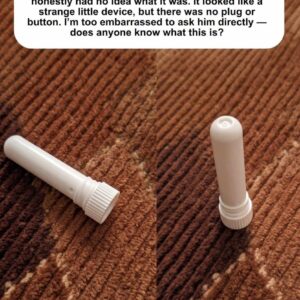
I found this tiny white stick in my son’s room and was too embarrassed to ask him does anyone know what it is?
What I thought was a mysterious gadget turned out to be something surprisingly ordinary. After searching online and comparing photos, I discovered it wasn’t a vape, hidden…
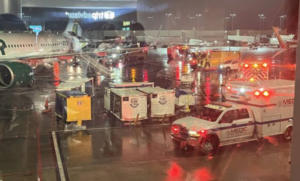
Charlotte Airport Faces Flight Delays Followin
Operations at Charlotte Douglas International Airport experienced temporary delays after a Frontier Airlines aircraft was involved in an unusual ground servicing incident before departure. Although the event…