When global tensions rise and headlines speak of conflict or instability, conversations that once felt distant can suddenly feel personal. News about military movements or political warnings can raise quiet concerns at home.
For most families, the worry is not about geopolitics but about everyday life. Parents think about their children and wonder how they would manage if electricity stopped, stores closed temporarily, or emergency services were delayed.
Preparedness experts often note that many households are not ready even for short disruptions. If an unexpected crisis occurred—whether from a natural disaster, infrastructure failure, or another emergency—the first few days could be challenging.
This reality does not need to create fear. Instead, it can encourage calm preparation. Many emergency planners recommend that households be able to manage independently for about 72 hours while systems recover.
During those early hours, services like transportation, electricity, communication, and fuel supply may take time to stabilize. Emergency responders must prioritize the most urgent situations first.
Basic preparedness is usually simple. Storing enough drinking water for about three days—around three liters per person per day—is often the first recommendation. Shelf-stable foods such as canned goods, rice, or dried products can also help.
Other essentials include flashlights, spare batteries, blankets, warm clothing, and a battery-powered radio for updates if phones or internet networks fail. A small first-aid kit and necessary medications are also important.
Preparedness also involves planning together. Families who discuss simple questions—like where to meet if phones stop working or who checks on neighbors—often respond more calmly. A few thoughtful steps can bring reassurance and help households face uncertainty with confidence.

Related Posts
The Deadly Ingredient Hiding in Your Kitchen: Why That Bitter Taste Could Be a Fatal Warning
You may think you’re serving a healthy, home-cooked meal, but an unusually bitter taste could signal something more serious than bad seasoning. Food safety experts warn that…

Viewers Spot a Subtle Detail in Coca-Cola’s Iconic Logo
Some people have noticed that the second “C” in the Coca-Cola logo looks like a smile—and once you see it, it’s hard to ignore. The familiar red-and-white…

A Viral ICU Rescue Clip Wasn’t What It Seemed
A tense hospital video recently spread across social media, showing what appeared to be a nurse rushing to save an unconscious patient in an intensive care setting….

‘Most beautiful girl in the world’ Thylane Blondeau marries French DJ in fairytale Paris wedding
Thylane Blondeau was six when the world decided how she should look. Now 25, she has stepped into a new chapter—one defined on her own terms. Once…

I found this tiny white stick in my son’s room and was too embarrassed to ask him does anyone know what it is?
What I thought was a mysterious gadget turned out to be something surprisingly ordinary. After searching online and comparing photos, I discovered it wasn’t a vape, hidden…
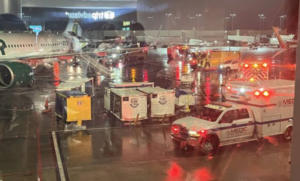
Charlotte Airport Faces Flight Delays Followin
Operations at Charlotte Douglas International Airport experienced temporary delays after a Frontier Airlines aircraft was involved in an unusual ground servicing incident before departure. Although the event…