Our body and mind have the power to send signs whenever something is wrong with our body. Sometimes, we decide to accept these warnings, and other times, we simply ignore them.
Paying attention to these signs, that are often subtle, can lead to early detection of an illness and increase the chances of battling it successfully.
Of course, whenever we feel something isn’t right, we should always consult a doctor.
Below are some of the early signs that warn us cancer is present in our body.
1. Unexpected Weight Loss

Whereas most of us won’t mind shredding a few pounds, unexpected and unintentional weight loss, without any accompanying changes in diet or activity level, can, on occasion, be a sign of cancer, particularly if it is substantial and occurs over a short period of time.
A major systematic review has confirmed that weight loss that is not explained by changes in diet or level of activity could be a strong predictor of number of cancers, including lung, pancreatic, colorectal, non-Hodgkin’s lymphoma, and others, and is regarded as one of the more important factors that a physician considers when accessing the likelihood of cancer.
In a recent study from the Dana-Farber Cancer Institute, unplanned weight loss was also found to be associated with an increased risk of cancers of the upper gastrointestinal tract (including esophageal, stomach, liver, and pancreatic cancers), and hematologic cancers such as leukemia, indicating that individuals with unexplained weight loss should consult a physician.
2. Constant fatigue and weakness

Fatigue associated with serious diseases such as cancer is chronic and not relieved by sleep, and research show that unexplained chronic fatigue is one of the most frequent symptoms experienced before cancer diagnosis.
In one study, almost half of the patients diagnosed with cancer reported chronic fatigue in the months preceding the diagnosis.
Some cancers are more likely than others to cause this type of chronic fatigue. Blood cancers such as leukemia and lymphoma can affect the body’s ability to produce normal blood cells, which can lead to extreme fatigue. Colon or stomach cancer may cause slow internal bleeding and anemia, which also results in fatigue. Liver cancer can affect the body’s metabolism, making fatigue a significant symptom.
3. Skin Changes

Any changes on the skin should be taken seriously.
No matter if it is moles, lumps, or skin discoloration, make sure you consult with your doctor.
Potential skin changes to keep an eye on are: moles with uneven borders, or change in color and size (probable signs of melanoma), constant sores that do not heal (may imply skin cancer), yellowing of the skin and eyes (jaundice) (related to liver or pancreatic cancer), dark spots or excessive itching (may indicate cancer of internal organs)
4. Persistent pain

Chronic pain that won’t go away even after you take medications and the amount of rest needed.
Pain that persists and doesn’t seem to have an obvious cause can be an indicator of several diseases, including cancer.
For instance, pain in a bone that becomes persistent and more severe may be due to bone cancer or cancer that has spread to the bones, while severe headaches that don’t resolve with standard treatments may be due to brain tumors. Abdominal or pelvic pain may be an indicator of cancers such as ovarian or colon cancer, while pain in the chest that persists, especially if accompanied by other symptoms, may be an indicator of lung cancer.
In general, persistent or worsening pain that doesn’t seem to have an explanation, especially if accompanied by other symptoms such as weight loss or fatigue, should be evaluated by a doctor and not simply ignored.
5. Unusual lumps or swelling
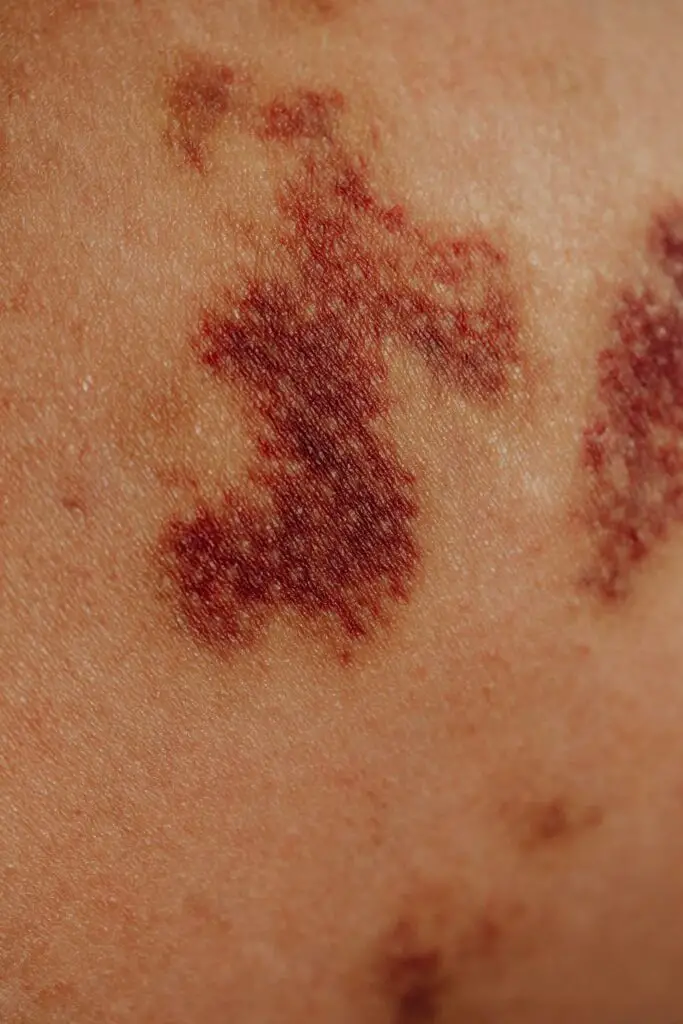
It is not uncommon to develop lumps and growths on the skin, and in most cases, these are benign conditions such as cysts, lipomas, or swollen lymph nodes. However, it is always a good idea to monitor the situation.
If a lump begins to grow in size, becomes inflamed or painful, persists for more than two weeks, becomes hard to the touch, doesn’t move when pressed against the skin, or develops in areas such as the breasts or the testicles, it is for the best to consult with your doctor.
While these symptoms don’t necessarily indicate a serious problem, they can sometimes be a sign of an infection and other diseases, including cancer.
In the case of unusual changes in the body, including the skin, it is always better to err in the side of caution and seek the advice of a professional rather than hoping the problem would resolve by itself.
6. Changes in Bowel or Bladder Habits

Changes in your bowel or bladder habits can sometimes indicate that something serious is happening in your body, and medical literature lists such changes as symptoms that should not be ignored.
Changes in your bowel habits, such as persistent diarrhea and constipation, smaller stools, or having to go to the toilet more often, are some of the warning signs of cancers of the colon or rectum, especially if they persist for more than a week or are accompanied by blood in the stool. Such symptoms occur because cancers in the colon or rectum can impair the passage of stool or the function of the bowel.
Bladder cancer can also cause changes in the way you urinate, such as having to urinate more frequently, experiencing pain or burning sensation while urinating, or feeling the sudden change to urinate even when your bladder is not full.
7. Nagging Cough or Hoarseness

A cough that persists or worseness over time, particularly if it persists for more than a few weeks, changes in character, or doesn’t respond to treatment, may be more than just a pesky cold. Coughing is one of the most common symptoms of lung cancer, and it may start as a dry cough or cough that becomes deeper or more frequent over time. If it is accompanied by coughing up blood, shortness of breath, or chest pain, it is particularly important to seek medical attention.
Similarly, changes in your voice, such as hoarseness or a raspy voice, that lasts more than a few weeks may be a sign that a tumor is affecting the vocal cords or the nerve that controls them.
These symptoms are not always due to cancer. They can also be caused by infections, acid reflux, or vocal strain. However, if the issue becomes an ongoing one, please consult a doctor.
8. Unusual Bleeding or Discharge

If you notice bleeding or discharge that looks weird and doesn’t have an apparent cause, don’t simply brush it off, because it might, on occasion, be a symptom of a medical condition such as cancer.
For instance, if you notice blood in your stool, or black, tar-like bowel movements, it could be a sign of colon or rectal cancer, as explained before. Blood in the urine may indicate problems with your kidneys or bladder, while vaginal bleeding that isn’t part of your normal menstrual cycle, particularly if it occurs after intercourse or in post-menopausal women, may be a sign of cervical or uterine cancer.
Discharge that smells strange, is bloody, or looks different than normal, both at males and females, should be checked out.
Even some forms of breast cancer can cause unusual nipple discharge without pressing on the nipple, particularly if it’s bloody.
In most cases, unusual bleeding and discharge isn’t cancer. It might be a result of an infection, hemorrhoids, or something else entirely benign.
In any case, it’s best to check with your doctor so that any serious conditions could be ruled out.
9. Difficulty Swallowing
Swallowing problems, also known as dysphagia, may be a symptom of something more serious, such as cancer, and may occur before, during, or after treatment. It may be caused by the cancer itself or by esophageal swelling after surgery.
Symptoms to be aware of include taking longer than usual to chew and swallow food, having the sensation of food getting stuck in your mouth or throat, or having food come back up or vomiting after eating. Although these symptoms are not necessarily cancer, it is crucial to inform your doctor if you experience any of these so that the cause can be determined and treated.
10. White Patches in the Mouth or on the Tongue

White patches in the mouth or on the tongue are almost always normal and can be a result of irritation, injury, or infection such as oral thrush. However, if the patches won’t clear up after a week or two, it is a good idea to have them checked out.
The white patches that simply won’t go away and couldn’t be scrapped off can be a sign of leukoplakia, which can be a precursor to oral cancer in some cases.
Mouth cancer can appear on your lips, tongue, gums, or the inside of your cheeks.
Other symptoms include red patches, ulcers that don’t heal, bleeding, or numbness. So, if you experience any of these symptoms, it is essential to visit a doctor or dentist as soon as possible because early detection and treatment often lead to better results and less invasive care.
*Disclaimer: This article is for informational purposes only and is not a substitute for professional medical advice, diagnosis, or treatment. Always consult a qualified healthcare provider if you have concerns about your health or experience any of the symptoms discussed. Early evaluation by a doctor or dentist is essential for proper diagnosis and care. The information provided here is based on current research and reputable sources, but individual cases may vary. Never ignore professional medical advice or delay seeking it because of something you read in this article.

Related Posts
93-Year-Old Billionaire Spotted Vacationing with His Young Wife in Rare Candid Moment
Paparazzi recently snapped photos of 93-year-old billionaire Rupert Murdoch enjoying a holiday getaway with his Russian wife. The powerful media tycoon was spotted relaxing on a sun…
What Is Growing on My Head?
I didn’t realize how much power a tiny bump could hold until it started dictating my every waking thought. Each brush of my hair became a reminder…

Reagan-Appointed Judge Steps Down and Speaks Out on the Future of the Justice System
The resignation of longtime federal judge Mark L. Wolf has sparked discussion about the relationship between the judiciary, politics, and public trust in American institutions. Appointed to the federal…

Body Language Expert Analyzes Trump’s Tense Exchange During Television Interview
A recent interview between former President Donald Trump and journalist Kristen Welker has sparked discussion not only about the issues raised but also about the nonverbal communication…

Penny Lancaster’s Vacation Photos Spark Conversation About Confidence and Aging
Recent vacation photos of Penny Lancaster, wife of legendary singer Rod Stewart, have generated lively discussion online after she was photographed enjoying time with her family aboard…
Jesse Ridgway and Wife Share Emotional Story Following Prenatal Diagnosis
Few experiences carry as much anticipation as expecting a child. For many parents, pregnancy is a time of excitement, planning, and hopes for the future, but it…