Bad Bunny delivered a visually bold, Latin culture–focused halftime show at Super Bowl LX in Santa Clara, but the performance quickly became a political talking point after criticism from Donald Trump.
Game Overshadowed by Halftime Debate
On the field, the Seattle Seahawks defeated the New England Patriots with a dominant defensive display. Yet much of the post-game conversation centered on the halftime show rather than the result.
Bad Bunny, born Benito Antonio Martínez Ocasio, performed a high-energy set largely in Spanish, featuring elaborate staging and a celebration of Latin identity. Fans inside the stadium and many online praised the show’s production and cultural message.
Trump’s Reaction
Posting on Truth Social, Trump harshly criticized the performance, calling it one of the worst halftime shows and arguing it did not reflect American standards of success or creativity. He also claimed many viewers could not understand the lyrics and described parts of the choreography as inappropriate for children.
Trump was not present at the game, having previously said the travel distance was too far, but he had already expressed dissatisfaction with the performer lineup in earlier comments to media outlets.
A Message That Divided Viewers
The show included symbolic visuals and a closing message promoting unity and love over hate. Supporters saw it as a powerful cultural moment on one of the world’s biggest stages. Critics felt it was too political or not accessible to all viewers.
A Familiar Super Bowl Pattern
Halftime shows often generate as much debate as praise, especially when artists bring cultural or social themes to the stage. This year’s performance continued that trend, turning a musical spectacle into a wider conversation about culture, language, and representation in major American events.
Whether viewed as groundbreaking or controversial, Bad Bunny’s set clearly made an impact far beyond the stadium.

Related Posts

Missing Persons Cases Highlight the Importance of Persistence in Investigations
When someone suddenly disappears from their normal routine, concern can quickly grow among loved ones and communities. Missed appointments, unanswered phone calls, and unexpected silence often become…
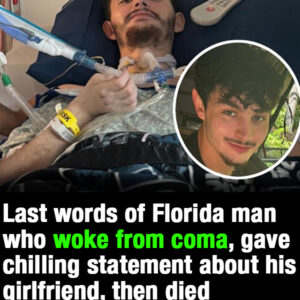
Florida man woke from coma, gave chilling statement about his girlfriend, then died
Daniel Waterman, originally from the Syracuse area of New York, was critically injured on Super Bowl Sunday 2025 in a serious crash along Interstate 95 in Flagler…

Terrifying moment gunshots rang out outside White House captured on camera
Selina Wang was filming a routine standup outside White House when the calm shattered. Sharp cracks of gunfire rang out across the North Lawn, instantly turning a…

Israel on Heightened Alert in 2026: Understanding the Security Situation and Regional Impact
Israel is described as entering a period of heightened security amid renewed regional tensions and evolving threat assessments. Officials are reported to have increased military readiness and…

White House locked down and reporters forced to dive for cover as gunfire erupts
Agents swarmed the North Lawn in seconds, shouting for everyone to get down as bursts of gunfire cracked through the air and echoed off the surrounding government…
These 6 Hollywood Blondes Once Went Brunette – Photos That Made Fans Think They Looked Better with Dark Hair
For decades, blonde hair has been a part of the public image for some of Hollywood’s biggest stars. But now and then, a dramatic brunette transformation changes…